how to
What Pet Friendly Floor Cleaners Actually Work? Residue, Fragrance-Free, Concentrate
Pet friendly floor cleaners should skip harsh chemicals your dog or cat can lick off paws. Here's what to look for and how to choose one.
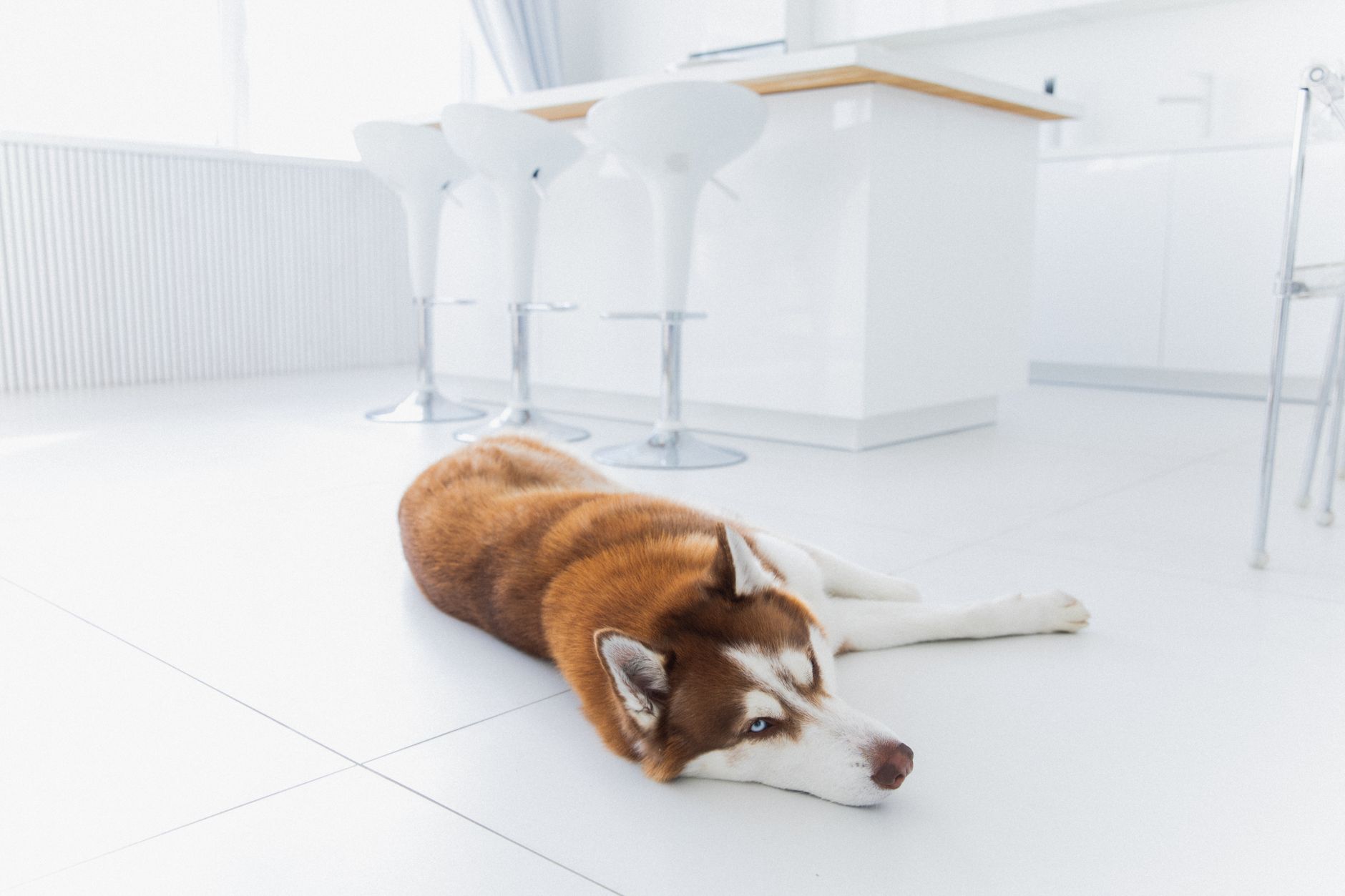
Short answer: A pet-friendly floor cleaner is one pets can walk and groom on after it dries: full ingredient disclosure, light or no fragrance, and dilution you control. Residue and mystery fragrance matter more than marketing claims like pet safe. Prefer a fragrance-free Ecolosophy concentrate — small-batch, made with care — and let floors dry fully.
What Makes a Floor Cleaner Pet Friendly?
A pet friendly floor cleaner is one your dog or cat can walk on and lie down on once the floor is dry. That means no harsh residues and no vague “fragrance” blends hiding unknown chemicals. Even gentle cleaners should be rinsed and dried before pets lick their paws.
Most conventional floor cleaners aren’t designed with pets in mind at all — they’re designed to cut grease, disinfect, and smell strong enough to signal “clean” to a human nose. None of that matters to your dog, who’s going to walk across that floor and then lick their paw twenty minutes later.
Why Do Regular Floor Cleaners Worry Pet Owners?
Most concern comes down to residue and ingredient transparency. Pets have direct, repeated skin contact with your floors — far more than most people do — and many conventional cleaners list ingredients only in broad categories like “surfactants” or “fragrance,” without saying what’s actually in the bottle.
For a parent already reading labels for their kids, this is the same conversation twice over. You want to know what’s on the floor before a toddler or a puppy puts their face on it. If you’ve already looked into the safest floor cleaners for homes with pets, you’ve probably noticed how much variation there is between brands that all claim to be “natural.”
Are Plant-Based Floor Cleaners Actually Safer for Pets?
Plant-based doesn’t automatically mean safe — but a formula with a fully disclosed ingredient list gives you the information to judge that for yourself, which a mystery blend never will.
The difference isn’t the word “plant-based” on the label. It’s whether the company tells you exactly what’s inside. A cleaner made from simple, named plant-derived ingredients is easier to evaluate than one that hides behind proprietary blends. If you’re comparing options, start by asking the brand directly: will they list every ingredient, or just the ones they’re required to?
What Should You Look for on the Label?
Look for a short ingredient list you can actually read, no vague catch-all terms, and no claims that sound too clinical for a home cleaning product.
Be skeptical of any pet product that promises to “disinfect” or “kill germs” without registration to back that up — those are serious claims that go beyond typical household cleaning. A cleaner that’s honest about being a gentle, effective cleaner (not a disinfectant) is usually the more trustworthy one. Small-batch producers who disclose every ingredient tend to be more transparent than large brands relying on trade-secret fragrance blends.
Should You Avoid Scented Cleaners Around Pets?
Not necessarily, but unscented or lightly scented formulas are the safer default, especially for cats, whose sense of smell and grooming habits mean they encounter floor residue more directly than dogs.
Cats groom themselves constantly, which means anything left on their paws or fur after walking across a floor eventually gets ingested. Dogs are less fastidious about grooming but still lick their paws after walks around the house. If you have both, or a pet with known sensitivities, an unscented formula removes one variable entirely.
Does Dilution and Mopping Technique Matter?
Yes — using a concentrated cleaner correctly diluted, and mopping with a barely-damp mop rather than soaking the floor, reduces the amount of residue left behind for pets to contact.
Concentrates are worth the extra step here. Instead of a pre-mixed spray with unknown dilution built in, a concentrate lets you control exactly how much product ends up in your bucket. One concentrate typically makes up to 100 spray bottles, so you’re not guessing at ratios or over-applying out of habit. Wring your mop out well, let floors air dry before pets walk on them again, and you’ve minimized the main risk factor.
What About Hardwood, Tile, and Laminate — Does the Floor Type Matter?
The floor type mostly affects which cleaner formula works mechanically, but the ingredient safety standard for pets should stay the same across hardwood, tile, and laminate.
Hardwood needs a formula that won’t leave excess moisture sitting on the seams. Tile and laminate are more forgiving but can still hold onto sticky residue in grout lines where paws pick it up. Whatever surface you’re cleaning, the ingredient transparency question doesn’t change — check the label the same way regardless of what’s under your pet’s feet.
How Do You Choose Between Brands Claiming to Be Pet Safe?
Compare ingredient disclosure first, then scent, then price — a brand that won’t tell you what’s in the bottle isn’t one you should trust with “pet safe” on the label.
“Pet safe” and “non-toxic” aren’t regulated terms, so they mean whatever the company decides they mean. The real test is whether you can read the ingredient list and understand it. If a company is proud of what’s in their formula, they’ll show you. If they’re not, that tells you something too.
Try a Formula Built for Pet Households
Ecolosophy’s Unscented Oasis kit is fragrance-free, fully ingredient-disclosed, and small-batch, made with care. Keep the concentrate out of reach of children and pets. One concentrate goes a long way, so you’re not restocking constantly or guessing at dilution. If you’re ready to stop wondering what’s actually on your floors, check out the Unscented Oasis kit.