how to
What Are the Best Non-Toxic Home Swaps? Checklist, Kitchen, Bathroom, Laundry
Room-by-room non-toxic home checklist: 47 specific swaps — what to stop using, what to switch to, and why each change matters.

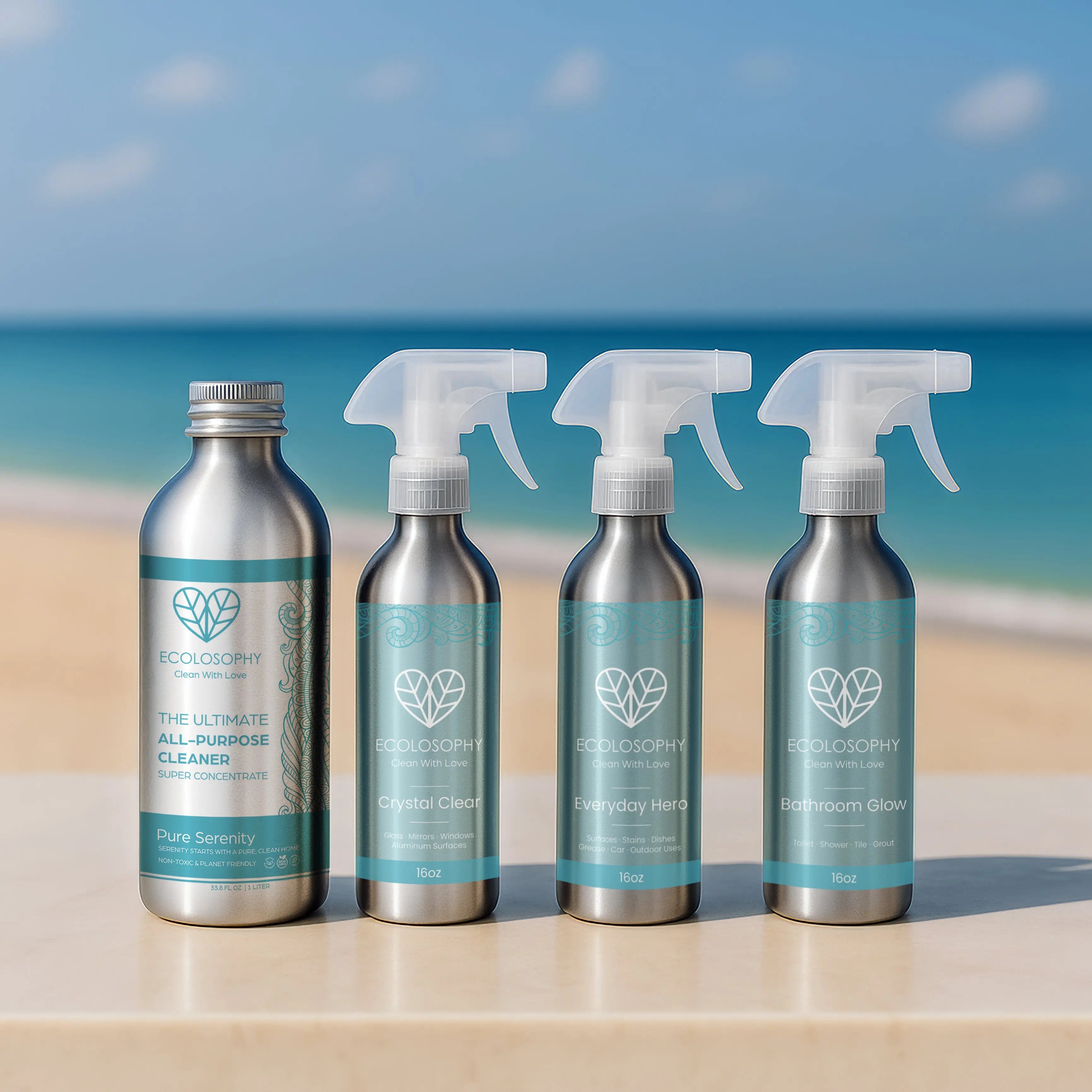
You don't have to change everything at once. Start in the kitchen — that's where the most exposure happens. Do three swaps this week. Do three more next week. In a month, your home looks completely different.
— Italo Campilii — Founder, Ecolosophy
Short answer: Your cleaning cabinet is where most household chemical exposure starts. This checklist gives 47 specific room-by-room swaps — what to stop, what to switch to, and why — so you can cut exposure without making your home less clean. Start with three kitchen swaps this week; add three more next week.
This list isn’t about fear. It’s about action. Forty-seven specific swaps, room by room, that reduce your family’s chemical exposure without making your home less clean. Each one tells you what to stop, what to swap to, and why it matters.
You don’t have to do them all at once. Start with three. Then three more. By the end of the year, your home will look completely different from the inside out.
Kitchen (Swaps 1–12)
1. Dish soap with SLS/SLES → Sulfate-free dish soap Why: Sodium laureth sulfate is an ethoxylation byproduct that may contain 1,4-dioxane, a probable carcinogen. Switch to a sulfate-free formula — your dishes come out just as clean.
2. “Antibacterial” dish soap with triclosan → Plain soap Why: The FDA banned triclosan from hand soaps in 2016. It persists in some dish soap formulas. Regular soap removes bacteria just as effectively through mechanical scrubbing action.
3. Conventional all-purpose spray → Concentrate-based all-purpose Why: Most conventional all-purpose sprays contain synthetic fragrance, ethoxylated surfactants, and quaternary ammonium compounds (quats). A clean concentrate diluted in a reusable bottle eliminates all three. Ecolosophy’s Pure Serenity concentrate is our recommendation — obviously, but also genuinely. For a baby- and pet-safe option with no scent at all, the Unscented Oasis concentrate does the same job.
4. Disinfecting wipes → Reusable cloths + hydrogen peroxide spray Why: Disinfecting wipes contain quats as active ingredients and generate significant plastic waste. A 3% hydrogen peroxide spray (sold at any pharmacy) is an effective non-toxic disinfectant and kills 99.9% of common pathogens.
5. Paper towels → Unpaper towels or bar mop cloths Why: Not a toxin swap — a waste swap. The average American household uses 80 rolls of paper towels per year. Reusable cloth cuts that to zero. Wash in hot water weekly.
6. Conventional oven cleaner → Baking soda + castile soap paste Why: Conventional oven cleaners (Easy-Off, etc.) contain sodium hydroxide at concentrations that cause chemical burns. A paste of baking soda and castile soap, applied overnight, lifts most baked-on grease effectively with no chemical hazard.
7. Plastic cutting boards → Wood or glass cutting boards Why: Plastic cutting boards harbor bacteria in knife cuts more readily than wood. Microplastics have been found in food prepared on plastic surfaces. Wood is naturally antimicrobial due to the lignin content.
8. Non-stick cookware (PTFE/Teflon) → Stainless steel or cast iron Why: PTFE coatings release PFAS compounds when scratched or overheated. At temperatures above 570°F — easily reached on a gas stovetop — Teflon releases polymer fume fever-causing particles. Cast iron and stainless are inert at all cooking temperatures.
9. Plastic food storage → Glass or stainless steel Why: BPA-free plastics still contain BPS and other bisphenols with endocrine-disrupting properties. Glass is inert. Stainless is inert. Neither leaches anything into food.
10. Synthetic sponge → Cellulose sponge or loofah Why: Synthetic sponges are made from polyurethane, which leaches plasticizers into dishwater. Cellulose (wood-derived) and loofah (plant-derived) sponges biodegrade and contain no synthetic materials.
11. Conventional dish detergent pods → Fragrance-free powder or pod alternatives Why: Most dish detergent pods contain synthetic fragrance and chlorine-based bleaching agents. Fragrance-free powder or third-party pods without synthetic fragrance are effective alternatives.
12. Tap water for cooking (in areas with aging pipes) → Filtered water Why: Aging municipal pipes can leach lead and copper into tap water at levels that exceed EPA action thresholds. A pitcher filter or under-sink filter rated for lead removal (NSF/ANSI 53) costs $25–200 and protects against the highest-risk contaminant in urban tap water.
Bathroom (Swaps 13–22)
13. Conventional toilet bowl cleaner → Citric acid or hydrogen peroxide cleaner Why: Conventional toilet cleaners contain hydrochloric acid and synthetic fragrance. Citric acid-based cleaners dissolve mineral deposits and deodorize with no HCl fumes.
14. Chemical drain opener → Mechanical snake or enzyme drain cleaner Why: Liquid drain openers contain sodium hydroxide or sulfuric acid at concentrations that will chemically burn skin, eyes, and lung tissue. A $10 drain snake removes clogs mechanically. For ongoing maintenance, a septic-safe natural drain cleaner prevents buildup without any caustic chemicals.
15. Conventional mold/mildew spray → Hydrogen peroxide or white vinegar Why: Most mold sprays contain bleach (sodium hypochlorite) and synthetic fragrance. A 3% hydrogen peroxide solution or undiluted white vinegar kills surface mold effectively. For persistent mold, improve ventilation — that’s the source problem.
16. Scented air fresheners (spray/plug-in) → Essential oil diffuser or ventilation Why: Air freshener sprays and plug-ins contain synthetic fragrance, phthalates, and VOCs that off-gas continuously — plug-in air fresheners are a lot more toxic than the packaging suggests. An ultrasonic diffuser with essential oils does not continuously heat synthetic chemicals into your air.
17. Antibacterial hand soap → Plain fragrance-free soap Why: The FDA ruled that the active ingredients in antibacterial soaps (triclosan, triclocarban) are not shown to be more effective than plain soap at preventing illness, and banned them from hand soaps in 2016. Plain soap and water works.
18. Synthetic fragrance body wash → Fragrance-free or essential-oil scented Why: “Fragrance” in body wash contains phthalates and VOCs absorbed through skin. This belongs in a skincare conversation more than a cleaning one — but the chemical mechanism is the same.
19. Conventional shampoo with SLS → SLS-free shampoo Why: Same ethoxylation/1,4-dioxane concern as dish soap. SLS is effective but harsh; SLS-free formulas clean hair effectively without the contaminant risk.
20. Synthetic bath mat → Organic cotton or bamboo Why: Synthetic mats (polyester, nylon) off-gas plastic compounds especially when wet and warm. Organic cotton and bamboo mats are safe, washable, and biodegradable.
21. Conventional bathroom all-purpose spray → Same concentrate as kitchen Why: You don’t need a separate bathroom cleaner. A non-toxic all-purpose concentrate diluted appropriately cleans toilets, sinks, tub surrounds, and counters. One product. Multiple surfaces.
22. Plastic shower curtain liner → PEVA or fabric liner Why: PVC shower curtain liners off-gas phthalates and chlorine compounds (“shower curtain smell” = plastic off-gassing). PEVA liners are PVC-free. Fabric liners (polyester or cotton) are fully washable.
Laundry (Swaps 23–30)
23. Conventional laundry detergent with optical brighteners → Fragrance-free, brightener-free formula Why: Optical brighteners are synthetic compounds that remain on fabric after washing and fluoresce under UV light to make whites appear whiter. They’re absorbed through skin from clothing and bedding and are not biodegradable.
24. Dryer sheets → Wool dryer balls Why: Dryer sheets contain synthetic fragrance and coating chemicals that transfer to fabric. They also reduce towel absorbency over time. Wool dryer balls reduce drying time by 25–30%, reduce static, and generate zero chemical residue.
25. Synthetic fragrance fabric softener → Fragrance-free or white vinegar Why: Fabric softener coats fibers with synthetic fragrance compounds (including phthalates) that are absorbed by skin from clothing. White vinegar in the fabric softener compartment, or one of these natural fabric softener alternatives, softens laundry naturally and rinses completely.
26. Bleach for whitening → Oxygen bleach (sodium percarbonate) Why: Chlorine bleach releases chloroform, carbon tetrachloride, and other VOCs during use. Oxygen bleach (the active ingredient in OxiClean and similar products) is sodium percarbonate — one of several natural alternatives to bleach that break down to hydrogen peroxide and sodium carbonate, both of which are environmentally benign.
27. Hot water for most loads → Cold water Why: Not a toxin swap — an energy swap. 90% of washing machine energy use goes to heating water. Cold water is adequate for all non-heavily-soiled loads and extends clothing life.
28. Dry cleaning for “dry clean only” items → Home washing + steam Why: Conventional dry cleaning uses perchloroethylene (PERC), a probable human carcinogen that off-gasses from clothing for days after cleaning. Many “dry clean only” items can be hand-washed in cold water with a gentle detergent or steamed at home.
29. Heavily scented laundry detergent pods → Fragrance-free pods Why: Laundry pods with synthetic fragrance leave fragrance residue on every item of clothing that is then in contact with your skin for hours. Fragrance-free pods clean identically.
30. Plastic laundry baskets → Woven natural fiber baskets Why: Minor swap — but plastic laundry baskets crack and shed microplastics over time. Woven seagrass, cotton, or rattan baskets are durable, aesthetic, and don’t generate microplastic debris.
Nursery (Swaps 31–37)
31. Conventional baby wash with synthetic fragrance → Fragrance-free, sulfate-free formula Why: Infant skin absorbs chemicals at higher rates than adult skin. The FDA found 1,4-dioxane in 66% of baby bubble bath products tested. Fragrance-free, sulfate-free baby wash eliminates both risks.
32. Conventional baby laundry detergent → Fragrance-free, dye-free formula Why: Baby skin is in contact with clothing and bedding 20+ hours per day. Fragrance residue and synthetic dyes in laundry detergent are in constant contact with the largest organ in the body.
33. Synthetic crib mattress (off-gassing) → Low-VOC or organic crib mattress Why: New synthetic foam mattresses off-gas VOCs from fire retardants and polyurethane foam. Certifications like GREENGUARD Gold or Global Organic Textile Standard (GOTS) indicate low-VOC content. This is the single highest-impact swap in the nursery.
34. Plug-in nursery air freshener → Remove it entirely Why: Any synthetic fragrance product running continuously in a closed room where a child sleeps significantly elevates VOC concentration in that room’s air. Replace with ventilation.
35. Plastic teethers and toys → BPA-free silicone or natural rubber Why: Older plastic teethers contain plasticizers. Silicone is inert at all temperatures. Natural rubber is plant-derived and biodegradable. Both are safer choices for items that go directly in a child’s mouth.
36. Conventional diaper rash cream with synthetic ingredients → Zinc oxide only Why: Simple zinc oxide diaper rash creams (like Desitin Maximum Strength) work better than complex multi-ingredient formulas and have no synthetic fragrance or preservatives.
37. Nursery cleaning with conventional all-purpose spray → Diluted non-toxic concentrate Why: The nursery is the room where a child spends the most time and has the most surface contact. It deserves the cleanest cleaning products in your home.
Living Room & Bedroom (Swaps 38–43)
38. Synthetic candles (paraffin/fragrance) → Beeswax or soy candles with essential oils Why: Paraffin is a petroleum byproduct. Synthetic-fragrance candles release VOCs, benzene, and toluene when burned. Beeswax burns cleanly with no synthetic additives. Soy wax with essential oil scent is the next-best option.
39. Conventional carpet deodorizer → Baking soda Why: Carpet deodorizer powders (Arm & Hammer Carpet Fresh, etc.) contain synthetic fragrance that embeds in carpet fibers and is released into air with foot traffic. Baking soda absorbs odors, deodorizes naturally, and vacuums up completely.
40. Synthetic-fragrance reed diffuser → Remove or replace with essential oil diffuser Why: Reed diffusers contain synthetic fragrance in a carrier solvent (often dipropylene glycol) that off-gasses continuously. They elevate indoor VOC levels for as long as they’re in use.
41. Conventional furniture polish with silicone → Beeswax furniture polish Why: Silicone-based furniture polishes build up over time and degrade wood finishes. Beeswax polish conditions wood naturally and is food-safe — relevant if children touch furniture and then put hands in mouths.
42. Conventional window cleaner with ammonia → Diluted white vinegar or concentrate Why: Ammonia-based window cleaners (Windex) release ammonia vapors that irritate lungs and eyes. A 50:50 water-white vinegar solution cleans glass identically — see our full ammonia-free glass cleaner method. Our concentrate also has a glass-cleaning dilution ratio.
43. Synthetic air freshener sprays → Open windows + ventilation Why: The EPA consistently finds indoor air quality worse than outdoor air, primarily because of synthetic fragrance products and cleaning chemicals. More ventilation, fewer synthetic fragrances.
Cleaning Supplies Overhaul (Swaps 44–47)
44. 12 specialized cleaners → 1 concentrate + 3 reusable bottles Why: You don’t need a separate cleaner for kitchen, bathroom, glass, and floor. A well-formulated concentrate at different dilutions handles all of them. One product. Three spray bottles labeled by room.
45. Conventional scrubbing cleanser (Comet, Ajax) → Baking soda paste Why: Comet and Ajax contain chlorine bleach and synthetic fragrance. Baking soda mixed with castile soap to a paste is an effective non-scratching abrasive for sinks, tubs, and grout.
46. Chemical drain cleaner in the cabinet → Remove it entirely Why: There is no household cleaning use case that requires sulfuric acid under a sink. A mechanical drain snake (one-time purchase, $10–15) handles every clog that chemical drain cleaner would address — without the chemical burn risk or groundwater contamination.
47. Single-use microfiber cloths → Washable microfiber or organic cotton rags Why: Disposable cleaning cloths generate enormous ongoing waste. Washable microfiber cloths clean just as effectively, survive hundreds of washes, and cost less than $15 for a set of 12. Organic cotton rags from old t-shirts cost nothing.
Where to Start
If 47 feels overwhelming — start with 3.
This week: swap your dish soap, your all-purpose cleaner, and your air freshener. Those three changes address the highest daily-contact toxic chemicals in most homes.
Next week: bathroom — toilet cleaner, drain opener, mold spray.
The week after: nursery, if you have young children — crib mattress, baby wash, diaper cream.
By the end of the month, you’ve done 12 swaps, you’ve eliminated the highest-exposure categories, and your home is meaningfully cleaner than it was 30 days ago.
The rest can come at whatever pace works for your life.
The fastest single swap: replace your all-purpose cleaner with our concentrate — small-batch, made with care. One product, 100+ uses, plant-based ingredients and full disclosure. Not sure which scent? Browse all the concentrates — or start small with the Trial Kit Trio and try all three.
For the cost breakdown on why concentrate beats spray bottles on every metric: Why Cleaning Concentrate Is Better Than Everything Else. And if this checklist is your first stop, the full Detox Journal has a room-by-room deep dive on every swap above.
#cleanwithlove #ecolosophy #nontoxichome #detoxyourlife #plantbasedliving
Sources cited
- EPA — Indoor Air Quality — EPA data on indoor air pollutants from cleaning products
- EWG — Guide to Healthy Cleaning — EWG database of household cleaning product safety ratings
- U.S. EPA — Introduction to Indoor Air Quality — EPA overview of indoor air pollutant sources and the role of ventilation in reducing indoor exposure