comparison
What Are Natural Fabric Softener Alternatives? Vinegar, Dryer Balls, Residue
Looking for a natural fabric softener alternative? Here's why softener coats fabric, what's really in it, and the simple swaps that soften without the residue.

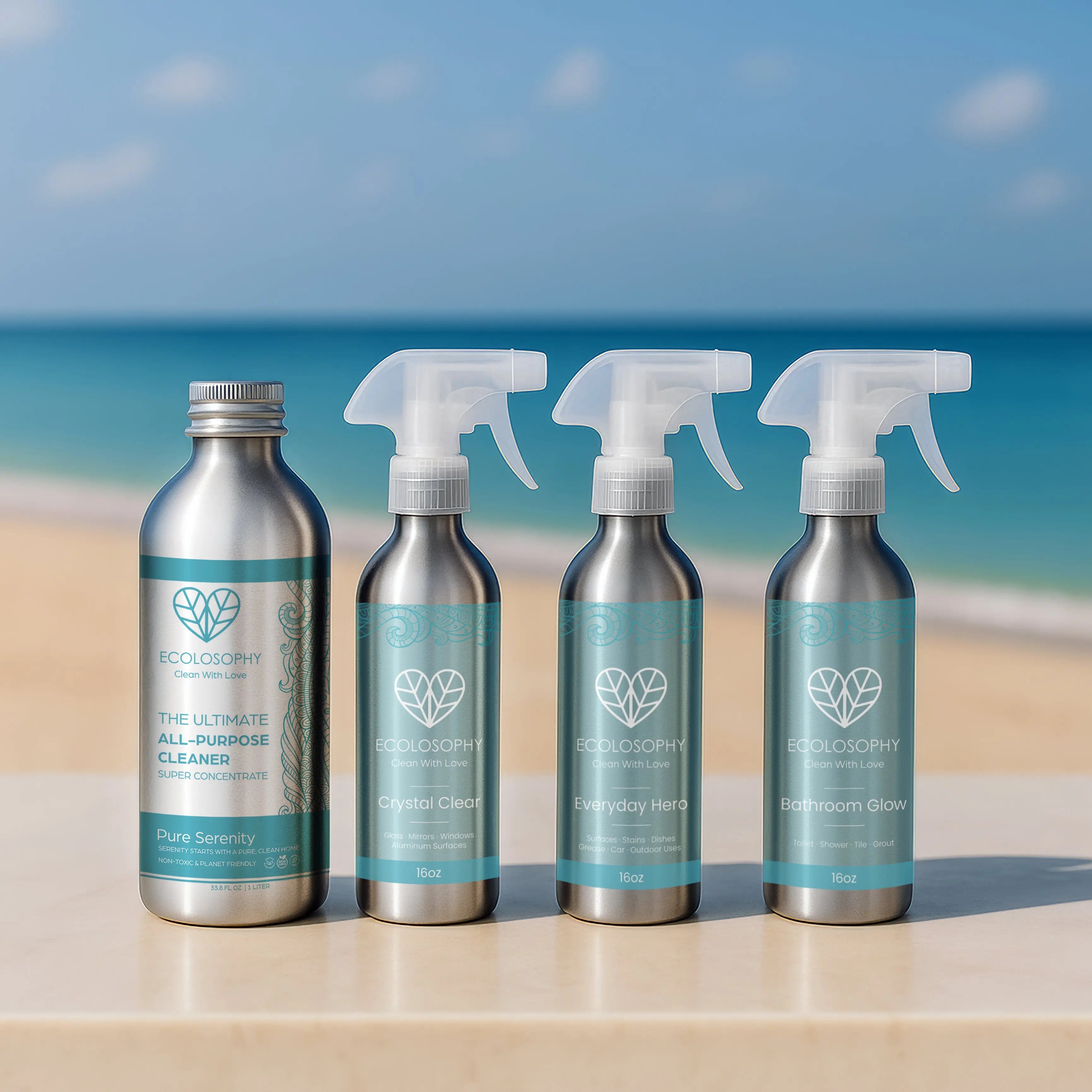
Short answer: Skip liquid softener and dryer sheets — they coat fibers with a waxy, often fragranced film that cuts towel absorbency. Use wool dryer balls plus a half-cup of white vinegar in the rinse instead. For wash day, prefer a plant-based Ecolosophy concentrate — small-batch, made with care.
The simplest natural fabric softener alternative is a pair of wool dryer balls plus a splash of white vinegar in the rinse. Together they soften clothes mechanically and chemically without the waxy film conventional softener leaves behind — the film that’s actually making your towels less absorbent, not softer.
Wait, less absorbent? Yes. Here’s the part the laundry aisle never tells you.
Fabric softener doesn’t actually soften fabric
This is the truth that reframes everything: softener doesn’t change your fabric — it coats it. Liquid softeners and dryer sheets deposit a thin, waxy, lubricating film on the fibers. That film makes clothes feel slippery-soft and reduces static. But the fabric itself isn’t softer. It’s wearing a coat.
That coating is the source of every problem. On towels, the waxy film repels water — so over time your plush towels actually dry you less. It’s why hotels and serious athletes often skip softener entirely. On moisture-wicking activewear, the film clogs the very fibers engineered to pull sweat away, killing performance and locking in odor. On anything against sensitive skin, you’re pressing a residue — usually a fragranced one — against your body all day.
The fragrance you can’t see
Most softeners are heavily scented, and “fragrance” on a laundry label can legally stand in for dozens of undisclosed chemicals. We broke this down in the fragrance loophole. With softener, that scent is designed to linger — the whole product promise is “smells fresh for days.” Which means the undisclosed mix is bonded to fabric you sleep in, sweat in, and wrap your kids in.
And because dryer sheets release that scent through heat and air, it doesn’t just stay on the clothes. It vents outside and circulates indoors, adding to the load we covered in indoor air pollution from cleaners.
What softener actually leaves behind
| What softener promises | What’s really happening |
|---|---|
| ”Softer fabric” | A waxy film coating the fibers |
| ”Fresh scent for days” | Undisclosed fragrance bonded to fabric |
| ”Less static” | Lubricating film reduces friction (real, but temporary) |
| “Fluffy towels” | Coating that reduces towel absorbency over time |
| ”Better for activewear” | Film clogs wicking fibers and traps odor |
Once you see it as a coating instead of a softening, the question changes from “which softener?” to “do I want this film on my clothes at all?” For most people, the answer is no.
Natural fabric softener alternatives that actually work
You don’t replace softener with one product — you replace it with two simple habits.
1. Wool dryer balls
The best all-around swap. Tossed in the dryer, wool balls bounce between clothes, separating layers so air circulates. That mechanical action softens fabric, cuts static, and reduces drying time — no film, no fragrance, reusable for years. Want a light scent? Add a single drop of pure essential oil to a ball, not a synthetic fragrance.
2. White vinegar in the rinse
About half a cup of plain white vinegar in the rinse cycle softens fabric and strips leftover detergent and mineral build-up — the residue that makes clothes stiff in the first place. The smell rinses out completely; nothing lingers. (Never combine vinegar with bleach, and skip it if your machine’s manufacturer advises against acidic additives.)
3. Wash gentler in the first place
A lot of “stiff laundry” is really detergent build-up. Using a measured amount of a gentle, plant-based wash — and not overdosing — leaves less residue to fight. Overdosing detergent is one of the most common laundry mistakes, and it’s the kind of hidden problem we flag in hidden toxins in cleaning products.
Dryer sheets deserve their own warning
Liquid softener at least stays in the wash. Dryer sheets do their work through heat, and that changes the picture. A dryer sheet is a thin substrate coated in softening agents and fragrance. As the dryer heats up, that coating melts onto your clothes — and a good amount of it vaporizes and vents straight outside, which is why a neighborhood of running dryers can smell like a fragrance counter from the street.
Two things follow from that. First, the coating on the sheet is the same waxy film as liquid softener, with the same towel-absorbency and activewear problems. Second, the fragrance is being delivered as an airborne mist you and your family inhale, not just a residue you touch. For anyone sensitive to scent — and for kids whose lungs are still developing — that’s a meaningful, repeated exposure that adds to the indoor air load we covered in indoor air pollution from cleaners.
Dryer sheets also gradually coat the inside of your dryer, including the lint screen. A film on the lint screen restricts airflow, which makes the dryer work harder and run longer. The simple swap to wool balls quietly fixes that too.
”Free & clear” isn’t always free of everything
When people learn this, they often reach for a “free and clear” or “sensitive” softener and assume the problem is solved. Sometimes it is. But “free and clear” is a marketing phrase, not a regulated standard — some versions drop the dye and obvious fragrance while keeping the same coating chemistry, and a few still carry a masking fragrance to cover the base smell. The only way to know is to read the actual ingredients, which is exactly the skill we walk through in reading an ingredient label in 60 seconds. The honest move usually isn’t a gentler softener — it’s no softener, plus the two simple swaps below.
Putting it together
- Stop the softener and dryer sheets. Give it one or two wash cycles for old coating to release.
- Add wool dryer balls to every dryer load — 3 to 6 depending on load size.
- Add half a cup of white vinegar to the rinse for towels and stiff items.
- Measure your detergent instead of free-pouring, so less residue builds up.
Within a couple of loads, towels get genuinely more absorbent, activewear breathes again, and your laundry stops carrying a scent you never chose for it.
What to expect after you quit softener
The first thing people worry about is static and stiffness. Here’s the honest timeline so you’re not caught off guard.
Loads one and two: Old coating is still releasing from your fabrics, and your machine and dryer may have softener film built up inside. Things might feel slightly different — not worse, just un-coated. Wool dryer balls and a vinegar rinse smooth this transition.
By load three or four: Towels start drinking water again — you’ll feel it the first time one actually dries you instead of sliding water around. Activewear breathes and stops holding onto old odor. Sheets feel crisp-clean rather than slippery.
Static: Most static comes from over-drying. Pull loads slightly before bone-dry, use enough wool balls (3–6), and add a safety pin to one ball if you live somewhere very dry — the small amount of metal helps dissipate charge. Synthetics static more than natural fibers, so a quick line-dry or lower heat setting helps most.
Scent: This is the adjustment that surprises people most. After years of “fresh linen” everything, clothes that smell like nothing can feel strange for a week. Give it that week. Almost everyone lands in the same place: clean has no smell, and they never want the perfumed version back near their skin again.
Who benefits most from ditching softener
Everyone gets more absorbent towels and better-performing activewear. But a few groups feel it fast:
- Babies and toddlers, whose skin is thinner and who mouth their clothes, blankets, and bibs.
- Anyone with eczema or sensitive skin, since the fragranced film sits against the body all day.
- People with asthma or scent sensitivity, who get relief from the airborne dryer-sheet fragrance disappearing from the home.
- Athletes, whose wicking gear finally works as designed.
If that’s your house, this is one of the highest-impact, lowest-effort swaps in the whole laundry routine — and it costs less than softener, since wool balls last for years.
The cleaner-laundry swap
You wrap your newborn in those clothes. You press that pillowcase to your face every night. You don’t want a film of undisclosed fragrance there — you want clean fabric that smells like nothing but clean.
For the wash side of the equation, our Unscented Oasis Concentrate gives you a gentle, plant-based clean with zero added fragrance — ideal paired with wool dryer balls and a vinegar rinse. If you love a real, natural lift of scent, Citrus Burst Concentrate brings it from plant sources, not a hidden mix. New to the whole approach? The Trial Kit Trio lets you find your favorite before committing.
Clean with love. Soft clothes, no coating, nothing hidden.