family health
Can Fabuloso Make You Sick? Fumes, Swallow, Poison Control
Can Fabuloso make you sick? Fumes, skin splash, a child swallow — what each exposure does and when to call Poison Control.

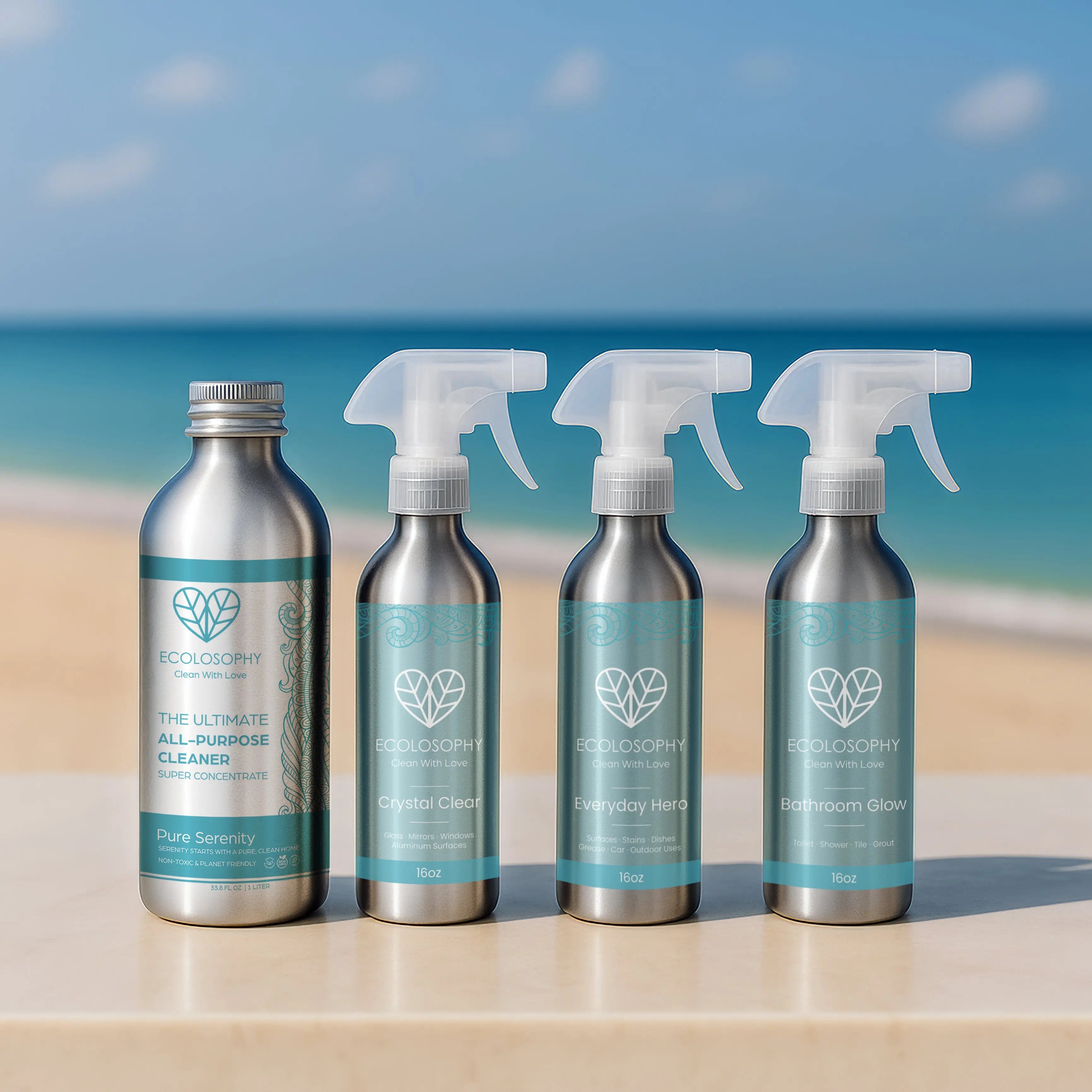
Short answer: Yes — closed-room fumes can cause headache or throat irritation, concentrate can sting skin, and a child swallow can burn the mouth or upset the stomach. Most cases resolve with fresh air or rinsing. Child swallow or eye splash: call Poison Control (1-800-222-1222). Prefer a fragrance-free plant-based Ecolosophy concentrate — small-batch, made with care.
Your toddler grabs the spray bottle off the counter before you can react. Or you mop a small bathroom with the door shut and twenty minutes later your head is pounding. Or you get a splash of the concentrated stuff on your hand while filling the mop bucket, and it stings more than water should. In that split second, the question isn’t abstract anymore — it’s can this actually make me, or my kid, sick right now?
Let me walk you through it exposure by exposure, the way I’d want someone to walk me through it.
Can Fabuloso make you sick? In specific, real ways, yes — fumes in a closed room can cause a headache or throat irritation, concentrate on skin can sting, and a child swallowing it can cause mouth burning and stomach upset. Most of these are mild and resolve with fresh air or rinsing. A child’s swallow or any eye exposure is a genuine Poison Control call, not a wait-and-see. Here’s the honest breakdown, not the panicked version and not the dismissive one.
The short answer
Fabuloso is not designed to be dangerous, and the overwhelming majority of exposures — a whiff of scent while mopping, a small splash of diluted product — cause nothing worse than momentary irritation. I already covered its ingredients and long-term concerns in Is Fabuloso Toxic?; this post is about the acute question, the one that shows up the moment something actually happens. If you want the parent-focused rundown of what Fabuloso poisoning symptoms actually look like by exposure type, that’s the deeper version of the “what should I be watching for” question.
The data backs up “usually mild, but real”: across household cleaning product exposures reported to poison centers, only about 2.6% result in a significant clinical effect or injury. That’s genuinely reassuring. But 2.6% of a very large number is still a lot of real injuries, and household cleaners remain the second most common cause of unintentional poisoning in children under 6 in the U.S. Both things are true. Let’s get specific about which situation you’re actually in.
Fumes: the headache-and-throat scenario
This is the most common way Fabuloso “makes people sick,” and it’s an irritant reaction, not a poisoning. Fabuloso’s synthetic fragrance and surfactants release volatile compounds while you mop and for a while after, and in a small, closed room — a windowless bathroom, a laundry closet — those compounds concentrate faster than in an open kitchen. Symptoms show up as a headache, scratchy throat, mild cough, or a feeling of tightness in the chest, especially if you have asthma or are fragrance-sensitive.
What to do: leave the room, get fresh air, open a window if you’re going back in. Symptoms should ease within minutes. If breathing difficulty doesn’t improve once you’re in fresh air, or you have a known respiratory condition and symptoms are more than mild, that warrants a call to Poison Control or a doctor — not because it’s likely to be severe, but because “wait and see” is the wrong instinct for breathing problems specifically.
Skin contact: concentrate versus diluted
Once Fabuloso is mixed with water at the directed ratio and used to mop, skin contact with a wet floor is low-risk — rinse your hands and move on. The concentrate straight from the bottle is a different exposure entirely. It can sting, redden, or irritate skin on contact, and it’s more likely to bother anyone with eczema, cracked winter hands, or generally sensitive skin.
If you splash concentrate on skin, rinse thoroughly with plain water for several minutes — don’t just wipe it off. Redness that fades within an hour is a normal irritant reaction. Persistent burning, blistering, or a rash that spreads is worth a call to Poison Control or a doctor. Eye contact with concentrate is always a rinse-immediately-and-call situation: flush the eye with lukewarm water for 15–20 minutes and call Poison Control while you do it.
Swallowing: the one that actually needs a call
This is the exposure that deserves the least improvisation. If a child swallows Fabuloso — diluted or, worse, concentrate — call Poison Control at 1-800-222-1222 immediately. Don’t wait for symptoms, and don’t make your own call about whether it’s “probably fine.” Don’t induce vomiting unless a poison control specialist or physician tells you to; vomiting up a cleaning product can cause its own chemical burn on the way back up.
Have the bottle in hand when you call so you can read the exact product name and, if the packaging shows it, whether it’s diluted or concentrate. A small sip of already-diluted floor-cleaning solution typically causes mouth irritation, drooling, or mild stomach upset. A swallow of concentrate, or product from an unlabeled spray bottle where you can’t confirm the dilution, is a different risk tier — and that distinction is exactly why the professionals on the poison control line, not a search engine, should make the call on next steps.
The rule nobody tells you until it’s too late: never mix
None of Fabuloso’s own ingredients are the biggest acute risk in most homes — the biggest risk is combining products. CDC’s occupational safety guidance is unambiguous: mixing a chlorine-bleach product with an ammonia- or acid-based cleaner — including many bathroom, toilet-bowl, and glass cleaners — releases toxic chloramine or chlorine gas. That’s a genuine medical emergency, and it has nothing to do with which brand of floor cleaner you also happen to own. It happens because someone poured two “safe” bottles into the same bucket to save a step.
The fix costs nothing: use one product at a time, rinse the surface with water before switching cleaners, and never combine bottles “to clean better.”
The micro-lesson
The pattern across every exposure type here is the same: concentration and containment change everything. A diluted product in an open room is low-risk. The concentrate, a closed room, or an unlabeled bottle turns the same product into a real question. That’s not a Fabuloso quirk — it’s how essentially every household cleaner behaves, because dilution is doing the safety work the marketing rarely mentions.
It’s also why the products that worry me least as a scientist and a mom are the ones where you control the dilution from a known-safe concentrate, with nothing else hiding in “fragrance,” and no separate concentrate bottle sitting around at full strength waiting for a curious hand.
The offer
Ecolosophy’s plant-based concentrate is unscented or made with real, disclosed essential oils — no undisclosed fragrance blend, no isothiazolinone preservatives, nothing else on the label you can’t identify. It’s small-batch, made with care, and one bottle makes 100+ spray bottles of ready-to-use cleaner, so you’re diluting exactly once, under your own control, instead of storing a full-strength product your kids or pets could reach. It won’t change the universal rules — dilute as directed, never mix cleaning products, keep everything out of reach — but it does mean there’s one less unknown chemical in the bottle if a curious hand ever does grab it.
If you or your child are ever exposed to any household cleaner and something feels off, the fastest, most reliable move is the same one every time: call Poison Control at 1-800-222-1222. It’s free, it’s staffed by nurses and pharmacists around the clock, and most calls end with reassurance, not an ER visit.
Sources cited
- CDC MMWR — Cleaning and Disinfectant Chemical Exposures, National Poison Data System, Jan–Mar 2020 — Poison centers received 45,550 cleaner- and disinfectant-related exposure calls in Jan–Mar 2020, a 20.4% increase for cleaners and 16.4% increase for disinfectants versus the same period in 2019
- America's Poison Centers — 2023 National Poison Data System (41st Annual Report) — Household cleaning substances were the second most common substance class involved in poisoning exposures for children age 5 and under, accounting for roughly 10.1% of that age group's cases in 2023
- National Poison Data System — pediatric household cleaning product exposures, cross-sectional analysis — Significant clinical effect or injury occurred in only about 2.6% of household cleaning product exposure cases with a known medical outcome
- U.S. CPSC — Colgate-Palmolive Recalls Fabuloso Multi-Purpose Cleaners (Feb 2023) — About 4.9M U.S. bottles recalled for possible Pseudomonas contamination after a preservative was under-dosed during manufacturing; no infections reported
- CDC — Chemical Hazards from Mixing Household Products — Mixing chlorine-bleach products with ammonia- or acid-based cleaners releases toxic chloramine or chlorine gas and is a documented cause of severe respiratory injury
- America's Poison Centers — Poison Help Line — The national Poison Help line, 1-800-222-1222, is free, confidential, staffed by nurses/pharmacists, and available 24/7 for exposure guidance