how to
How Do You Clean Hardwood Floors Naturally? Damp Mop, No Vinegar, Neutral pH
How to clean wood floors naturally without vinegar damage or sticky residue — a step-by-step method, a safe dilution recipe, and what wrecks a finish.

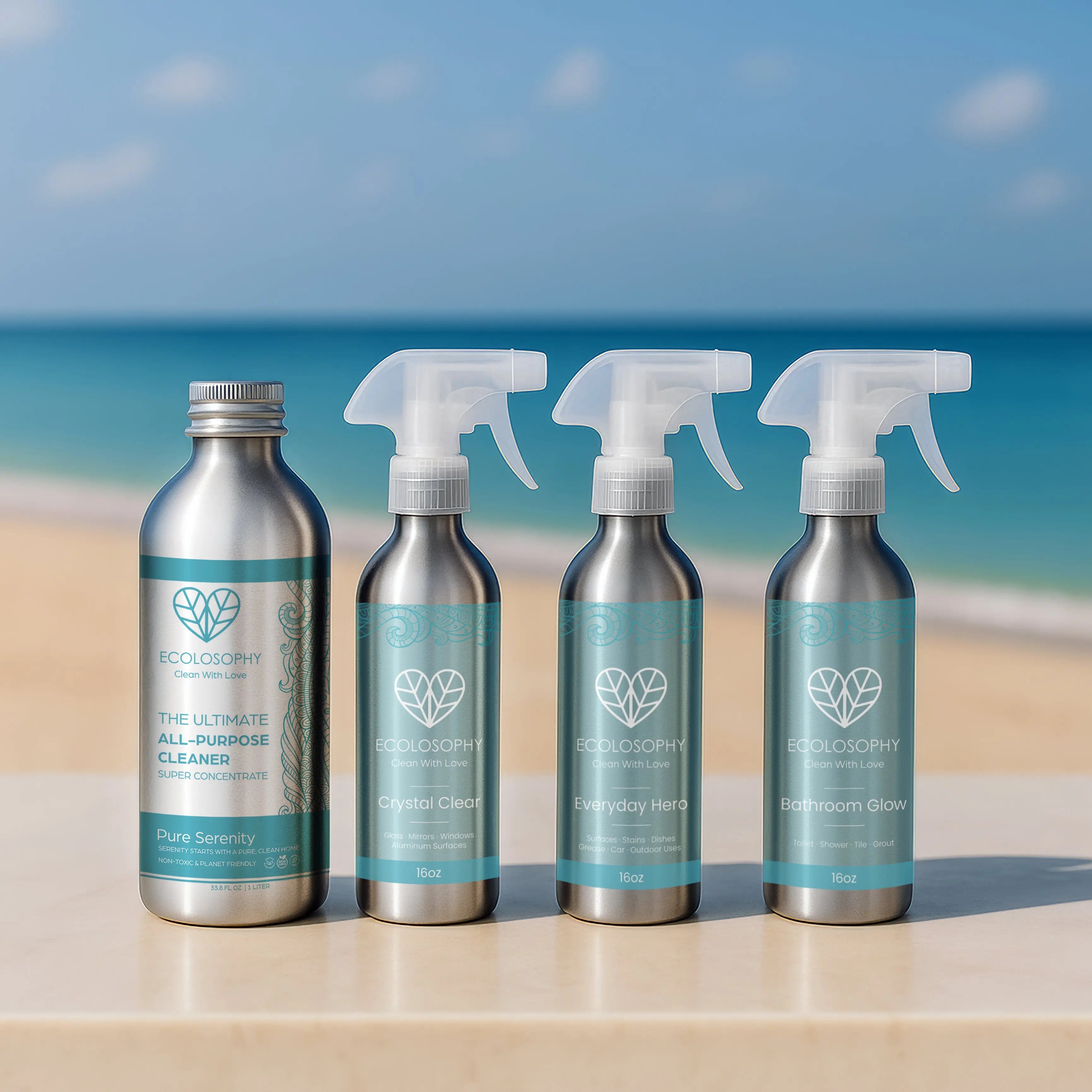
Short answer: Dry-sweep or vacuum first, then damp-mop sealed hardwood with a barely diluted, neutral-pH plant-based cleaner on a mop wrung nearly dry. Skip straight vinegar (it dulls polyurethane) and oil soaps (they leave residue). Prefer a plant-based Ecolosophy concentrate — small-batch, made with care.
How Do You Clean Hardwood Floors Naturally?
To clean hardwood floors naturally, dry-sweep or vacuum first, then damp-mop with a barely-diluted, neutral-pH plant-based cleaner, wringing the mop nearly dry so only a damp pass touches the finish. Skip straight vinegar, which dulls polyurethane over time, and oil soaps, which leave residue. Spot-test first and mop with the grain.
First, Two Things That Quietly Wreck Wood Floors
Before the how-to, the two “natural” mistakes worth unlearning:
- Straight vinegar. Vinegar is acidic. On a sealed floor, repeated mopping with vinegar can dull and etch polyurethane and similar finishes over time. The National Wood Flooring Association specifically warns against harsh acids on finished wood. It’s the most repeated natural-cleaning tip and one of the worst for hardwood.
- Oil-based wood soaps. They promise shine but build up a residue that attracts dirt, gets slippery, dulls the finish, and complicates any future refinishing. That “nourishing” feel is a film, not a benefit.
What sealed hardwood actually wants is a neutral-pH cleaner, heavily diluted, with as little water as possible.
The Natural Hardwood Dilution Recipe
For a plant-based concentrate like Ecolosophy, floors use a more dilute mix than counters — you want cleaning power without residue:
Hardwood floor mop solution
- 1 gallon (about 4 liters) warm water
- 1/2 teaspoon plant-based concentrate
- Mix in a bucket; do not pour straight onto the floor
That’s it. The ratio is intentionally light. The sugar-derived surfactants in a plant-based concentrate lift dirt at low concentrations, and these surfactants meet the OECD standard for ready biodegradability, so what rinses off your mop isn’t a concern for your home or the water it goes into. If your floor ever feels sticky, you used too much — dial it back, not up. (More on why this format works in the concentrate format explained and why the surfactant matters.)
Step-by-Step: Clean Wood Floors Naturally
- Spot-test first. Wipe an inconspicuous corner with your diluted solution, let it dry, and confirm the finish looks unchanged. Always do this with any new cleaner.
- Dry-clean before you ever add water. Sweep with a soft broom, dust mop, or vacuum on a bare-floor setting. This is the most important step — grit dragged under a mop scratches finish far more than dirt does.
- Mix the solution using the recipe above. Warm water, half a teaspoon of concentrate, one gallon.
- Wring the mop nearly dry. A microfiber flat mop is ideal. The mop head should be damp, not dripping. If you can squeeze water out with your hands, wring more. Standing water is hardwood’s enemy — it seeps into seams and swells the wood.
- Mop with the grain, working in sections from the far side of the room toward your exit so you’re not stepping on what you just cleaned.
- Re-wet and re-wring as needed. Refresh the mop in the bucket, and always wring it out again before it touches the floor.
- Tackle sticky spots directly. For a dried spill, spray a little diluted solution onto a cloth (not the floor) and rub gently with the grain.
- Dry as you go if needed. In humid rooms or on older finishes, follow with a dry microfiber cloth so no moisture lingers.
- Let it air-dry fully before replacing rugs or furniture. A properly damp-mopped floor dries in minutes.
How Often to Clean
| Task | Frequency |
|---|---|
| Dry-sweep / vacuum | Every 2-3 days (more with pets/kids) |
| Damp-mop high-traffic areas | Weekly |
| Damp-mop whole floor | Every 2-3 weeks |
| Spot-clean spills | Immediately |
Notice the dry cleaning is the most frequent. Protecting the finish is mostly about keeping grit off it, not constant wet mopping. We cover the broader “do these cleaners actually work” question in do non-toxic cleaners work.
If there’s a dog in the house, the finish rules above are only half the picture — a dog’s paw pads make direct, repeated contact with whatever’s left on the floor, and dogs lick their own paws while grooming. We break down exactly what that means for residue, dilution, and which ingredients to skip in our dog-safe floor cleaner guide
A Few Honest Notes
- This is for sealed/finished floors. Unfinished, oiled, or waxed floors have their own rules — check your manufacturer’s guidance, since water and surfactants behave differently on raw wood.
- Less is more, always. Every floor problem people email us about — stickiness, haze, dullness — traces back to too much product or too much water. The recipe is light on purpose.
- No fragrance needed. If anyone in your home is sensitive, Unscented Oasis cleans floors identically without any scent.
- Dogs and cats change the calculus. If pets share these floors, residue and fragrance matter even more than dry time — see our best non-toxic floor cleaner for pets guide for the pet-specific checklist.
The Takeaway
Cleaning hardwood naturally isn’t complicated, but it is the opposite of what most internet tips suggest: less water, no vinegar, no oil soap, and a neutral plant-based cleaner diluted way down. Sweep first, damp-mop with a wrung-out mop, dry the lingering moisture, and your floors stay clean and protected for years.
Want one bottle that handles your floors and the rest of the house at different dilutions? The Unscented Oasis Kit is a simple starting point — one concentrate, your whole home, no cabinet full of single-use bottles. Clean with love, and your floors will thank you.
Sources cited
- National Wood Flooring Association — Maintenance — NWFA: don't use wet mops or steam mops; use a cleaner made specifically for the finish on the floor, and for factory-finished floors follow the manufacturer's directions or you may void the warranty.
- EPA Safer Choice Program — Standard for Safer Products — EPA Safer Choice requires full ingredient disclosure and screens for hazard classifications in qualifying cleaners.
- OECD Test Guideline 301 — Ready Biodegradability — OECD 301 defines 'readily biodegradable' as at least 60 percent degradation within 28 days. Whether a specific surfactant passes depends on the specific surfactant and must be tested.