research
Toxic Chemicals in Household Cleaners? PFAS, VOCs, Fragrance
Toxic chemicals in household cleaners: PFAS, VOCs, phthalates, ammonia, chlorine — what peer-reviewed research and EPA sources support, and how to swap one bottle at a time.
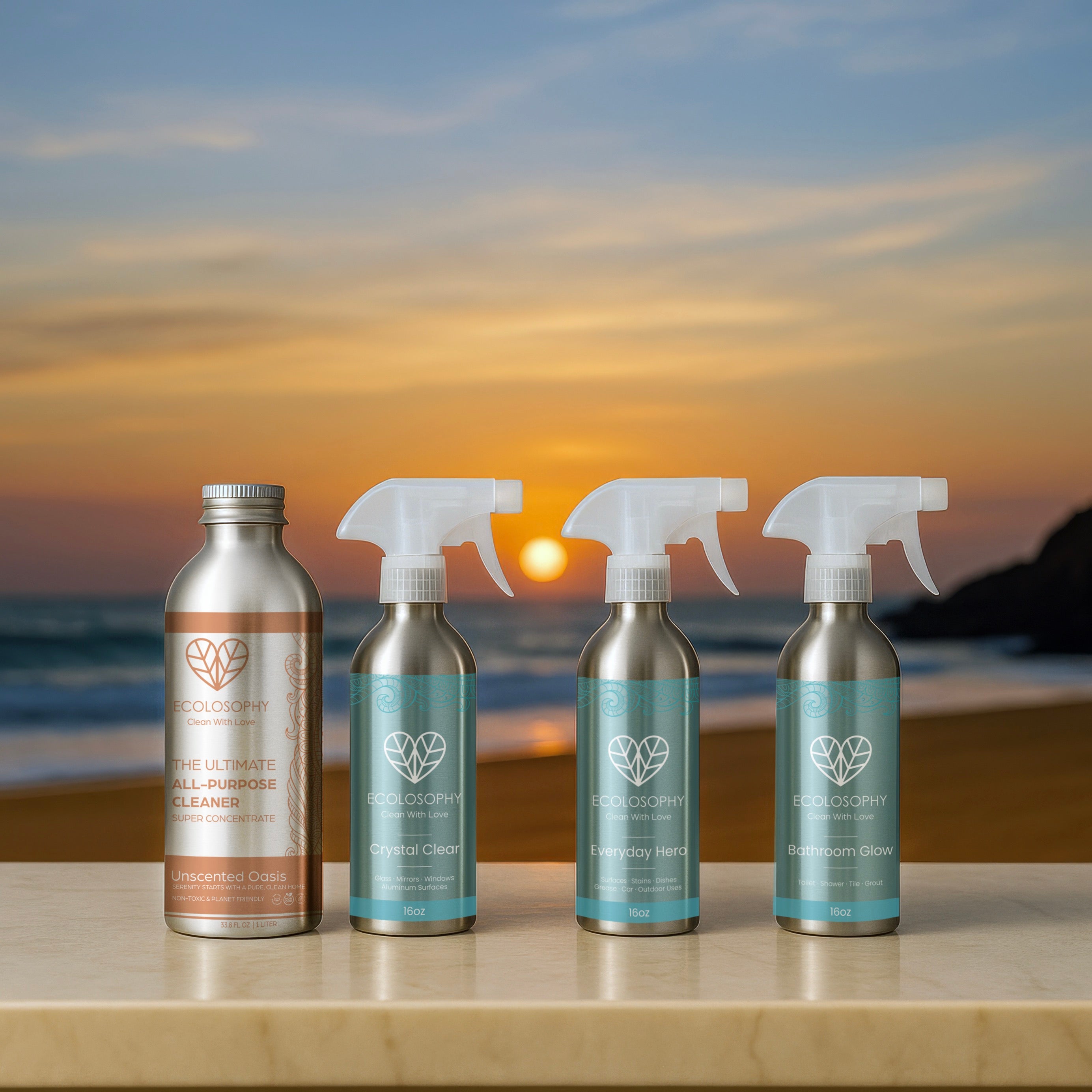
Short answer: The chemicals people ask about most in conventional cleaners are PFAS, VOCs, phthalates hidden under “fragrance,” ammonia, and chlorine — never mix bleach with ammonia. Swap your most-used bottle first. Prefer a plant-based, fragrance-free Ecolosophy concentrate — small-batch, made with care.
TL;DR — Flag PFAS, VOCs, phthalates in fragrance, ammonia, and chlorine. Below is what EPA and peer-reviewed sources support — and how to lower exposure one product at a time.
Key Takeaways
- EWG scientists detected 530 unique VOCs across 30 cleaning products; 193 were classified as hazardous
- PFAS “forever chemicals” hide in stain-resistant and water-repellent formulas
- “Fragrance” can legally stand in for an undisclosed mixture on a U.S. label
- Ammonia and chlorine form toxic chloramine gas when mixed
- You don’t have to replace everything at once — start with your most-used product
What toxic chemicals are in household cleaners?
By Italo Campilii | January 15, 2026 | 22 min read
Every time you spray a cleaning product in your home, you’re releasing chemicals into the air. Most people have no idea what’s actually in these bottles.
In 2023, Environmental Working Group scientists analyzed 30 popular cleaning products and detected 530 unique volatile organic compounds (VOCs). Of those, the authors classified 193 as hazardous—compounds with the potential to cause respiratory harm, increased cancer risk, or developmental and reproductive effects (Temkin et al., Chemosphere 2023).
530
Volatile organic compounds detected in just 30 cleaning products
(193 classified as hazardous)
After battling Crohn’s disease for 23+ years, I discovered the connection between everyday household toxins and serious illness. This realization changed everything—and led to the founding of Ecolosophy.
The worst part? Most of these toxins aren’t listed on labels. They hide under vague terms like “fragrance” and “proprietary blend,” making it impossible for families to know what they’re actually bringing into their homes.
In this guide, we’ll break down exactly what toxic chemicals are in conventional cleaners, the science behind their health risks, and how to protect your family starting today.
What You’ll Learn
- → The 5 Most Dangerous Chemicals in Household Cleaners
- → PFAS: Forever Chemicals Explained
- → VOCs & Respiratory Health (EWG 2023 Study)
- → Endocrine Disruptors & Hormone Health
- → The Hidden Greenwashing Problem
- → How to Detox Your Home (7-Day Protocol)
- → What We Recommend
- → Frequently Asked Questions
Which five chemicals in household cleaners get the most attention?
When you’re wiping down your kitchen counter after breakfast, scrubbing your bathroom tiles, or freshening up your living room, you’re likely exposing yourself and your family to a cocktail of chemicals that were never adequately tested for safety in real-world conditions.
Here’s what the research shows about the most dangerous chemicals hiding in common household cleaners:
Forever Chemical
1. PFAS (Per- and Polyfluoroalkyl Substances)
PFAS are called “forever chemicals” because they break down extremely slowly in the environment and in the body. As ATSDR puts it, “PFAS enter the blood of people and animals worldwide” (ATSDR, About PFAS). CDC has measured PFOS, PFOA and related compounds in national NHANES blood sampling since 1999.
Where they hide: Glass and hard surface cleaners, fabric protectants, non-stick cookware coatings, food packaging, waterproof clothing, and many conventional cleaning products marketed as “stain-resistant” or “water-repellent.”
PFAS Bioaccumulation Over Time
0 10 years 20 years 30 years Concentration in Body
Regular chemicals (break down)
PFAS (accumulates forever)
Data visualization based on C8 Health Project (2005-present)
Health Impacts (Peer-Reviewed Research)
The federal agency that reviews this literature is ATSDR (part of CDC). Here is exactly what ATSDR says the epidemiological evidence suggests—no more, no less:
- Increases in cholesterol levels (PFOA, PFOS, PFNA, PFDA)
- Lower antibody response to some vaccines (PFOA, PFOS, PFHxS, PFDA)
- Changes in liver enzymes (PFOA, PFOS, PFHxS)
- Pregnancy-induced hypertension and preeclampsia (PFOA, PFOS)
- Small decreases in birth weight (PFOA, PFOS)
- Kidney and testicular cancer (PFOA)
These are associations reported in populations with measurable PFAS exposure. ATSDR is careful to describe them as suggested associations, not proven cause and effect, and so are we.
Key Research
The C8 Health Project enrolled roughly 69,000 people whose drinking water in the mid-Ohio Valley was contaminated with PFOA. Its independent C8 Science Panel concluded there was a “probable link” — its term for evidence strong enough that a connection was more likely than not — between PFOA exposure and six outcomes: kidney cancer, testicular cancer, thyroid disease, high cholesterol, ulcerative colitis, and pregnancy-induced hypertension.
Note what “probable link” is and is not. It is a finding from a community with unusually high, long-term drinking-water exposure. It is not a statement about what a household cleaner does.
Respiratory Hazard
2. VOCs (Volatile Organic Compounds)
VOCs are carbon-based chemicals that evaporate at room temperature. This means that every time you clean, you’re creating an invisible cloud of chemicals that you and your family breathe in. These compounds linger in your indoor air for hours, days, or even weeks after cleaning.
Where they hide: Air fresheners, multipurpose cleaners, glass cleaners, floor waxes, furniture polish, and even “green” products that contain fragrance.
EWG 2023 Study: VOC Emissions by Product Type
Average Hazardous VOCs Detected Per Product
22 VOCs Conventional products
15 VOCs Green products with fragrance
4 VOCs Green, fragrance-free products
Data source: Environmental Working Group, Chemosphere 2023
In that dataset, green fragrance-free products emitted an average of 4 hazardous VOCs per product versus about 22 for conventional products — roughly 5.5 times fewer. That is a real, measured difference in emissions. It is not, by itself, a measurement of anyone’s health outcome.
Specific Hazardous VOCs Detected
The EWG study identified these particularly dangerous compounds:
- Benzene: A known human carcinogen (IARC Group 1) that causes leukemia and bone marrow damage. Found in conventional all-purpose cleaners and air fresheners.
- Formaldehyde: Respiratory irritant classified by the EPA as linked to nasopharyngeal cancer and leukemia. Present in disinfectants and multipurpose cleaners.
- Chloroform: A neurotoxin that accumulates in fatty tissues. Long-term exposure linked to cancer risk and kidney/liver damage.
- Toluene: A reproductive toxin that can cause fetal harm at high doses. Associated with headaches, impaired concentration, and dizziness.
- 1,4-Dioxane: A probable human carcinogen that contaminates many products as a manufacturing byproduct.
Health Impact Research
The American Lung Association states it plainly: “VOCs and other chemicals released when using cleaning supplies contribute to chronic respiratory problems, allergic reactions and headaches.”
The strongest quantified evidence comes from occupational settings, not homes. A systematic review and meta-analysis of studies of professional cleaners found a 50% higher pooled relative risk of asthma (meta-RR 1.50, 95% CI 1.44–1.56) and a 43% higher risk of COPD compared with non-cleaners (Archangelidi et al., Occupational and Environmental Medicine 2021).
That is an important distinction, and we are not going to blur it. Those figures describe people who use conventional cleaning and disinfecting products for a living, often in poorly ventilated spaces, for years. They are not an estimate of the risk from wiping your kitchen counter twice a week. What they do establish is that these products can affect airways at sustained exposure — which is a reason to ventilate, to spray onto the cloth rather than into the air, and to prefer fragrance-free formulas.
EPA reports that concentrations of many VOCs are consistently higher indoors than outdoors — up to ten times higher — and that levels can be a thousand times background while you are actively using a product such as paint stripping (EPA, Volatile Organic Compounds’ Impact on Indoor Air Quality).
VOCs also don’t all disappear the moment you finish. EPA notes that levels of several organics can remain elevated for hours after an activity is complete, and the EWG Chemosphere authors reported that some products continued emitting after use.
Hormone Disruptor
3. Synthetic Fragrances & Phthalates
The word “fragrance” on a product label is one of the biggest loopholes in consumer protection law. Under current regulations, companies are not required to disclose what’s actually in their “fragrance”—it’s considered a trade secret. That single word can hide dozens or even hundreds of undisclosed chemicals.
The main culprit: Phthalates, a class of industrial chemicals used to make fragrances last longer and penetrate materials more deeply.
Where they hide: Any product listing “fragrance,” “parfum,” or “perfume” on the label—including all-purpose cleaners, dish soaps, laundry detergents, fabric softeners, air fresheners, and even some products marketed as “natural.”
What the research actually shows
Phthalates are among the most-studied endocrine-disrupting chemicals, and the evidence is real — but it is specific, and it is mostly about plasticizer phthalates like DEHP, not about a bottle of spray cleaner.
The largest recent estimate: a global modeling study published in eBioMedicine attributed roughly 356,000 cardiovascular deaths in adults aged 55–64 in 2018 to DEHP exposure worldwide (Hyman et al., eBioMedicine 2025). The authors were explicit that their analysis was not designed to establish that DEHP alone caused those deaths — it is an attributable-burden estimate, not proof of causation.
Two things that estimate does not say, and that we will not imply: it is not a U.S. figure, and it is not about cleaning products. DEHP exposure is dominated by plastics, food contact materials and medical devices.
Where cleaning products enter the picture is narrower and more honest: some phthalates have historically been used as fragrance carriers, and because U.S. labeling law lets “fragrance” stand in for an undisclosed mixture, you cannot tell from the label whether a given product contains them.
Learn more about the fragrance loophole and why “fragrance” can legally hide thousands of unlisted chemicals, including phthalates.
Immediate Danger
4. Ammonia & Chlorine
These are perhaps the most recognizable toxic chemicals in household cleaners—and their dangers are well-documented. Many of us grew up with the smell of ammonia or bleach signaling “clean,” but that smell is actually a warning sign of chemical exposure.
Ammonia exposure (found in glass and bathroom cleaners):
- Causes immediate airway irritation, coughing, and difficulty breathing
- Can trigger asthma attacks in people with existing respiratory conditions
- Linked to the development of new-onset asthma in previously healthy individuals
- At high concentrations, can cause chemical burns to the respiratory tract and fluid accumulation in the lungs
- Chronic exposure associated with COPD (Chronic Obstructive Pulmonary Disease)
Chlorine exposure (found in bleach and disinfectants):
- Water-soluble irritant that immediately damages the upper respiratory tract
- Can cause burning eyes, throat irritation, and coughing within minutes of exposure
- Chronic exposure linked to the development of COPD
- Known to trigger severe asthma attacks
- Long-term exposure can cause permanent lung scarring
⚠️ Critical Warning
NEVER mix ammonia and bleach—or any cleaners containing these chemicals. When combined, they create chloramine gas, a highly toxic compound that causes:
- Immediate respiratory distress
- Chest pain and difficulty breathing
- Nausea and vomiting
- Pneumonia-like symptoms
- In severe cases: respiratory failure and death
This chemical reaction has sent thousands of people to emergency rooms and resulted in numerous deaths. Poison control centers report hundreds of calls every year related to accidental mixing of household cleaners.
Despite these well-known risks, ammonia and chlorine-based cleaners remain among the best-selling household products. Explore safer alternatives that clean effectively without these harsh chemicals.
Systemic Risk
5. Endocrine Disruptors (EDCs)
Beyond phthalates, conventional cleaners contain numerous other endocrine-disrupting chemicals (EDCs) that interfere with your body’s delicate hormone systems. Your endocrine system controls virtually every major function: metabolism, reproduction, mood, growth, immune response, and more.
Where they hide: Preservatives (like methylisothiazolinone and parabens), surfactants (cleaning agents that make bubbles), antimicrobial agents (like triclosan), and UV stabilizers.
Common EDCs in household cleaners:
- Methylisothiazolinone (MIT): A preservative that causes thyroid disruption, immune system dysregulation, and severe contact dermatitis. Despite being restricted in some countries, it’s still widely used in U.S. products.
- Triclosan: An antimicrobial agent that mimics thyroid hormones and disrupts reproductive function. It’s also contributing to antibiotic resistance.
- Bisphenol A (BPA) and related compounds: Found in some product packaging and formulations, these estrogen mimics are linked to reproductive disorders and metabolic problems.
- Alkylphenols: Surfactants that exhibit estrogenic activity and accumulate in the environment.
Why This Matters
Endocrine disruption is an active area of research rather than settled fact, and the honest summary is this: researchers in the field have argued that EDCs may not follow the classic “the dose makes the poison” rule, that timing of exposure (pregnancy, infancy, puberty) may matter as much as amount, and that mixtures may behave differently than single chemicals. Those are hypotheses supported by a body of laboratory and epidemiological work — not established clinical facts about any particular consumer product.
We are not going to list diseases next to a bottle of cleaner. What we will say is narrower and defensible: several ingredients that appear in conventional household cleaners are on regulatory watch lists as skin sensitizers or substances of concern, and you generally cannot tell from the label whether a product contains them.
Chemical Comparison: At-a-Glance Health Risks
| Chemical | Persistence in Body | Primary Risk | Long-Term Impact |
|---|---|---|---|
| PFAS | Decades (never breaks down) | Bioaccumulation | Kidney damage, thyroid disease, immune suppression, cancer |
| VOCs | Days to months in air | Respiratory irritation | Lung cancer, cardiovascular disease, neurological damage |
| Phthalates | Weeks (metabolized slowly) | Hormone disruption | Reproductive harm, heart disease, metabolic dysfunction |
| Ammonia | Hours (volatile) | Immediate respiratory damage | Asthma, COPD, chronic lung damage |
| Chlorine | Hours (volatile) | Respiratory tract damage | COPD, asthma, permanent lung scarring |
PFAS: The Deep Dive Into “Forever Chemicals”
What Exactly Are PFAS?
PFAS (per- and polyfluoroalkyl substances) are a family of more than 12,000 synthetic chemicals created in the 1940s and 1950s for industrial and commercial use. They’re prized for three key properties: they’re water-resistant, grease-resistant, and heat-resistant.
These same properties that make PFAS so useful also make them virtually indestructible. The carbon-fluorine bonds that give PFAS their unique characteristics are some of the strongest bonds in nature. They don’t break down through normal environmental processes—not through sunlight, not through bacteria, not through heat. They persist.
How PFAS Gets Into Your Home and Body
You don’t need to work in a chemical plant or live near a contaminated site to be exposed to PFAS. They’re in your home right now, and they’re getting into your body through multiple pathways:
1. Cleaning Products
- Glass and window cleaners: PFAS helps create a “streak-free” finish by repelling water
- All-purpose cleaners: Some formulations include PFAS for enhanced cleaning power
- Fabric protection sprays: The main ingredient is often a PFAS compound
- Carpet and upholstery cleaners: PFAS prevents re-soiling by making fabrics stain-resistant
2. Food Contact Materials
- Non-stick cookware (Teflon and similar coatings)
- Microwave popcorn bags
- Fast food wrappers and containers
- Pizza boxes
- Water-resistant paper plates and cups
3. Other Household Sources
- Stain-resistant carpets and furniture
- Waterproof clothing and outdoor gear
- Cosmetics (especially long-wear makeup)
- Dental floss (some brands)
4. Contaminated Water
- Municipal water supplies (EPA estimates 200+ million Americans have some PFAS in their drinking water)
- Private wells near industrial sites or military bases
- Groundwater contamination that can persist for decades
The Four Pathways of PFAS Exposure
- Inhalation: When you spray PFAS-containing cleaning products, microscopic droplets become airborne. You breathe them in, and they enter your bloodstream through your lungs.
- Skin absorption: PFAS can penetrate your skin, especially when products are left on surfaces that you touch regularly (countertops, tables, floors).
- Cross-contamination: PFAS settles on surfaces throughout your home. It gets on your hands, then transfers to food. It accumulates in house dust, which children ingest when they put their hands in their mouths.
- Drinking water: If your water supply is contaminated, you’re exposed every time you drink, cook, or brush your teeth.
The Science: What PFAS Does to Your Body
The C8 Health Project: Landmark Research
This ongoing study (2005-present) is one of the largest health investigations ever conducted. It began after DuPont was found to have contaminated drinking water in West Virginia and Ohio with PFOA (a type of PFAS also known as C8). The project has tracked 69,000 people and produced dozens of peer-reviewed publications.
Key findings from the C8 Health Project:
- Kidney cancer: Probable link established. Risk increases with higher exposure levels.
- Testicular cancer: Probable link. Men with high PFOA exposure showed nearly double the risk.
- Thyroid disease: Probable link. 40% increased risk of thyroid disorders.
- High cholesterol: Probable link. PFOA exposure associated with elevated total and LDL cholesterol.
- Ulcerative colitis: Probable link to this inflammatory bowel disease.
- Pregnancy-induced hypertension: Probable link. Higher PFOA levels correlated with high blood pressure during pregnancy.
The scientific panel used the term “probable link” when the evidence was strong enough to conclude that exposure to PFOA in drinking water was more likely than not associated with the disease.
Additional Health Concerns from Recent Research
- Immune system suppression: Studies show that PFAS exposure reduces the effectiveness of childhood vaccinations by up to 50%. This means children exposed to PFAS may not be adequately protected even after receiving all recommended vaccines.
- Liver damage: PFAS accumulates in the liver and interferes with normal liver function. Studies show elevated liver enzymes (ALT and AST) in people with high PFAS exposure.
- Reproductive harm: Both male and female fertility are affected. Studies show:
- Reduced sperm count and quality in men
- Longer time to pregnancy for couples
- Irregular menstrual cycles in women
- Earlier menopause
- Metabolic dysfunction: PFAS exposure is linked to obesity, insulin resistance, and type 2 diabetes—even in children.
- Cardiovascular disease: Beyond cholesterol effects, newer research links PFAS to hypertension, atherosclerosis (plaque buildup in arteries), and increased risk of heart attack and stroke.
Why PFAS Is So Hard to Detect—and Remove
You can’t smell PFAS. You can’t see it. You can’t taste it. Standard water testing doesn’t detect it. Blood tests from your annual physical don’t measure it. This invisibility is part of what makes PFAS so insidious.
Testing for PFAS:
- Water testing: Requires specialized equipment and costs $200-600 per test. Your local water utility may test, but many don’t report results below the EPA’s health advisory levels.
- Blood testing: Available through some specialty labs, costs $500-1,500. Insurance rarely covers it unless you live in a known contamination zone.
- Home testing: Some companies now offer at-home PFAS blood testing kits, though results should be interpreted carefully.
Removing PFAS from your body:
Unfortunately, there’s no proven way to remove PFAS from your body once it’s there. Your body eliminates PFAS very slowly—the half-life (time it takes for half the amount to leave your body) ranges from 2-9 years depending on the specific PFAS compound.
The most effective strategy is prevention: stop new PFAS from entering your body by eliminating sources of exposure.
Take action today: Switch to PFAS-free cleaning products and eliminate this source of daily exposure. For the full breakdown, see our deep dive on PFAS in cleaning products.
VOCs & Respiratory Health: What the Science Says
The EWG 2023 Study: Groundbreaking Findings
Environmental Working Group scientists conducted one of the most comprehensive analyses ever performed on cleaning products. They tested 30 popular products—both conventional and “green”—and measured the chemicals released into indoor air during and after use.
The study, published in the peer-reviewed journal Chemosphere, used advanced chemical analysis techniques to detect even trace amounts of volatile organic compounds.
530
Total unique VOCs detected across just 30 products
(193 classified as hazardous to human health)
Why Fragrance Matters More Than You Think
One of the most important findings from the EWG study was the dramatic difference between products with and without fragrance:
- Conventional products with fragrance: Average of 22 hazardous VOCs per product
- “Green” products with fragrance: Average of 15 hazardous VOCs per product
- Green, fragrance-free products: Average of only 4 hazardous VOCs per product
On those measured averages, choosing a fragrance-free product—regardless of whether it is marketed as “green”—corresponded to roughly 80% fewer hazardous VOCs emitted per product (4 versus about 22). That is a difference in what the product releases into the air, which is the variable you can actually control.
The Most Dangerous VOCs Detected
Among the 193 hazardous VOCs identified, these are particularly concerning:
Formaldehyde
Classification: Known human carcinogen (IARC Group 1)
Immediate effects: Eye, nose, and throat irritation; difficulty breathing; coughing; wheezing
Long-term health effects: The EPA and International Agency for Research on Cancer classify formaldehyde as linked to nasopharyngeal cancer and leukemia. Studies of embalmers and other workers with high exposure show elevated cancer rates.
Common sources: Multipurpose cleaners, bathroom cleaners, disinfectants, furniture polish. Can also off-gas from pressed wood products and new carpets.
Benzene
Classification: Known human carcinogen (IARC Group 1)
Health effects: Benzene damages bone marrow and causes abnormal blood cell production. Long-term exposure leads to leukemia, particularly acute myeloid leukemia (AML). It also suppresses immune function.
How it gets in products: Benzene isn’t intentionally added to cleaning products—it’s a contaminant from petroleum-derived ingredients. It’s more common in products with synthetic fragrances.
Chloroform
Classification: Probable human carcinogen (IARC Group 2B)
Primary concern: Neurotoxin that accumulates in fatty tissues (including brain tissue)
Health effects: Exposure to chloroform can cause dizziness, fatigue, and headaches in the short term. Long-term exposure is linked to liver damage, kidney damage, and increased cancer risk.
Common sources: Disinfectants and products containing chlorine bleach. Also formed when chlorine in tap water reacts with organic matter.
Toluene
Classification: Neurotoxin and reproductive toxin
Health effects: Acute exposure causes headaches, dizziness, confusion, and difficulty concentrating. Chronic exposure can cause permanent neurological damage. Prenatal exposure associated with developmental delays and reduced birth weight.
Common sources: Floor cleaners, furniture polish, air fresheners. More common in products with strong scents.
1,4-Dioxane
Classification: Probable human carcinogen
How it gets in products: 1,4-Dioxane isn’t listed on ingredient labels because it’s not intentionally added—it’s a contaminant created during the manufacturing process of certain surfactants and detergents.
Health effects: Animal studies show kidney and liver damage, as well as increased cancer rates. The compound easily penetrates skin and is poorly metabolized, leading to bioaccumulation.
Indoor Air Pollution: A Hidden Crisis
Here’s a fact that surprises most people: the air inside your home is typically 2-10 times more polluted than outdoor air—even in major cities with significant air quality problems.
Why? Because indoor air is confined. Outdoors, pollutants disperse through wind and atmospheric mixing. Indoors, they concentrate.
How VOCs accumulate in your home:
- Immediate release: When you spray a cleaning product, VOCs are immediately released into the air.
- Continued off-gassing: Many VOCs continue to evaporate from cleaned surfaces for hours or days after application.
- Limited air exchange: Modern homes are built to be energy-efficient, which means they’re tightly sealed. This traps VOCs inside.
- Surface absorption and re-release: VOCs can be absorbed by porous materials (carpets, curtains, upholstery) and then slowly released back into the air over time.
Duration of exposure: Studies using real-time air quality monitors have found that VOC levels remain elevated for:
- 2-4 hours after cleaning (high concentrations)
- 24-48 hours after cleaning (moderate concentrations)
- Up to 2 weeks after cleaning (low but detectable concentrations)
This means a single cleaning session creates a window of exposure that lasts much longer than the actual time spent cleaning.
Health Impact: Who’s Most Vulnerable?
While VOC exposure is harmful for everyone, certain groups face elevated risks:
Professional Cleaners
People who clean for a living face occupational exposure levels far higher than the average person. Research shows:
- 50% increased risk of asthma compared to the general population
- 43% increased risk of COPD
- Elevated rates of chronic bronchitis
- Higher incidence of lung cancer (though this is harder to prove causation due to multiple risk factors)
Children
Children are especially vulnerable to VOC exposure because:
- They breathe faster than adults, taking in more air (and more VOCs) per pound of body weight
- They spend more time on floors, where VOC concentrations tend to be higher
- Their organs are still developing and more susceptible to chemical damage
- They have a longer future lifespan for chronic diseases to develop
Studies show that frequent use of cleaning sprays in homes with infants is associated with significantly higher rates of asthma and persistent wheezing by age 3.
Pregnant Women
Prenatal exposure to VOCs has been linked to:
- Lower birth weight
- Preterm birth
- Developmental delays in infancy and early childhood
- Increased risk of birth defects (though evidence is still emerging)
People with Existing Respiratory Conditions
If you or a family member already has asthma, COPD, or other respiratory conditions, VOC exposure can:
- Trigger acute attacks or exacerbations
- Worsen chronic symptoms
- Reduce lung function over time
- Interfere with medications
Elderly Adults
Older adults may be more vulnerable because:
- Declining lung function makes them more susceptible to respiratory irritants
- Weakened immune systems reduce the body’s ability to handle chemical exposures
- Multiple medications may interact with chemical exposures
- Chronic conditions (heart disease, diabetes) can be exacerbated by VOC exposure
EPA estimates that Americans spend about 90% of their time indoors, which is why indoor concentrations matter as much as they do (EPA, Indoor Air Quality).
Protect your family’s respiratory health. Discover our science-backed approach to VOC-free cleaning.
Endocrine Disruptors & Hormone Health
Your endocrine system is a network of glands that produce and regulate hormones—chemical messengers that control virtually every function in your body. When endocrine-disrupting chemicals (EDCs) interfere with this system, the consequences ripple through your entire health.
How Your Endocrine System Works
Your endocrine system includes:
- Pituitary gland: The “master gland” that controls other hormone-producing glands
- Thyroid: Regulates metabolism, energy, and body temperature
- Pancreas: Produces insulin to control blood sugar
- Adrenal glands: Produce stress hormones (cortisol, adrenaline)
- Ovaries/Testes: Produce sex hormones (estrogen, progesterone, testosterone)
- Plus: Pineal gland, parathyroid glands, and thymus
These glands communicate through hormones that travel in your bloodstream. Hormones work at incredibly low concentrations—think parts per trillion, like a drop of water in an Olympic-sized swimming pool. This means even tiny amounts of hormone-disrupting chemicals can throw everything off balance.
How EDCs Disrupt Your Hormones
Endocrine disruptors can interfere with your hormones in several ways:
- Mimicking hormones: Some EDCs have a similar structure to natural hormones and can bind to hormone receptors, sending false signals. For example, BPA mimics estrogen.
- Blocking hormones: Some EDCs bind to hormone receptors but don’t activate them, preventing your natural hormones from doing their job.
- Altering hormone production: EDCs can tell glands to produce too much or too little of a hormone.
- Interfering with hormone transport: Some EDCs affect the proteins that carry hormones through your bloodstream.
- Changing receptor sensitivity: EDCs can alter how responsive your cells are to hormones.
- Affecting hormone metabolism: Some EDCs interfere with how quickly hormones are broken down and eliminated from your body.
The “No Safe Threshold” Problem
Traditional toxicology operates on the principle that “the dose makes the poison”—higher doses are more dangerous. But EDCs don’t follow this rule. Sometimes low doses cause more harm than high doses because:
- Hormones work at very low concentrations: Natural hormone levels are measured in nanograms or picograms. EDCs at similar levels can cause effects.
- Non-monotonic dose responses: The relationship between dose and effect isn’t always linear. Some EDCs show an inverted U-shaped curve where middle doses cause more harm than high doses.
- Critical windows of vulnerability: Exposure during pregnancy, infancy, puberty, or menopause can cause effects that wouldn’t occur at other life stages.
- Timing matters: When you’re exposed can be as important as how much you’re exposed to.
EDCs in Household Cleaners
You’re exposed to EDCs from many sources, but cleaning products represent a significant and controllable source of daily exposure.
Phthalates (in synthetic fragrances)
Effects:
- Anti-androgenic (blocks testosterone action)
- Reduces sperm count and quality
- Associated with altered genital development in male infants
- Linked to endometriosis in women
- May cause premature breast development in girls
- Associated with behavioral problems in children
- Linked to obesity and metabolic syndrome
Methylisothiazolinone (MIT) and related preservatives
Effects:
- Thyroid hormone disruption
- Immune system dysregulation
- Severe allergic reactions in sensitive individuals
- Neurotoxic at high doses
Triclosan and Triclocarban (antimicrobial agents)
Effects:
- Mimics thyroid hormones
- Disrupts reproductive hormones
- May contribute to antibiotic resistance
- Bioaccumulates in fatty tissue
Note: Triclosan is now banned in hand soaps but still appears in some household cleaners and other products.
Alkylphenols (surfactants)
Effects:
- Estrogenic activity (mimics estrogen)
- Linked to reproductive abnormalities in wildlife
- Persistent in the environment
- Bioaccumulative
Bisphenol A (BPA) and related compounds
While more common in plastics and packaging, BPA and related chemicals (BPS, BPF) can be found in some cleaning product containers and formulations.
Effects:
- Estrogen-mimicking
- Linked to breast and prostate cancer
- Associated with early puberty
- Linked to fertility problems
- May contribute to obesity and diabetes
- Neurological effects in developing fetuses
Health Impacts Linked to EDC Exposure
Research has connected EDC exposure to a wide range of health problems:
Reproductive Health
- Reduced fertility: Both men (lower sperm count/quality) and women (hormonal imbalances) affected
- Polycystic Ovary Syndrome (PCOS): Studies link EDC exposure to this common hormonal disorder
- Endometriosis: Higher EDC levels found in women with endometriosis
- Early menopause: Some EDCs associated with earlier onset of menopause
- Pregnancy complications: Miscarriage, preterm birth, and gestational diabetes linked to EDC exposure
Developmental Issues
- Altered genital development: Particularly in male infants exposed in utero
- Neurodevelopmental effects: Lower IQ, attention problems, hyperactivity
- Early puberty: Girls entering puberty significantly earlier than previous generations
- Behavioral problems: Increased aggression, anxiety, and social difficulties
Metabolic Disorders
- Obesity: EDCs called “obesogens” promote fat cell development and weight gain
- Type 2 diabetes: EDCs interfere with insulin signaling
- Metabolic syndrome: Cluster of conditions including high blood pressure, high blood sugar, and abnormal cholesterol
Thyroid Problems
- Hypothyroidism: Underactive thyroid causing fatigue, weight gain, depression
- Hyperthyroidism: Overactive thyroid causing anxiety, weight loss, rapid heartbeat
- Thyroid cancer: Rising rates correlated with increased EDC exposure
Cancer
- Hormone-sensitive cancers: Breast, prostate, ovarian, and testicular cancers linked to EDC exposure
- Early-life exposure: May set the stage for cancer development decades later
Recent Research (2025)
We looked for a citable figure for “how many endocrine-disrupting chemicals is the average person exposed to per day from cleaning products,” and we could not find one that holds up. So we are not going to publish a number. What is well established is narrower: exposure is cumulative across many product categories, and U.S. fragrance labeling rules mean you cannot audit your own exposure from the label alone.
Learn about our hormone-safe ingredients and why transparency matters.
How does greenwashing hide toxic chemistry?
You see a bottle labeled “natural,” “eco-friendly,” or “plant-based.” The packaging is green. There’s an image of leaves or flowers. You assume it’s safe.
You’d be wrong.
What Is Greenwashing?
Greenwashing is the practice of making a product appear more environmentally friendly or safer than it actually is. The FTC’s Green Guides govern environmental marketing claims in the U.S., but terms like “natural” and “non-toxic” have no binding legal definition for cleaning products, which leaves a lot of room for impressions that the formula does not back up.
Companies spend millions on packaging, marketing, and branding to create an impression of safety—while the actual product formulation may be nearly identical to conventional alternatives.
How Brands Greenwash: The Common Tactics
Tactic #1: Vague, Meaningless Claims
These terms have no legal definition and no enforcement:
- “Natural ingredients”: Arsenic and lead are natural. This term is meaningless without specifics.
- “Plant-based”: Can still contain toxic synthetic chemicals. Many harmful substances are derived from plants through chemical processing.
- “Eco-friendly”: No regulatory definition. Any company can use this term.
- “Non-toxic”: Not regulated. Companies self-determine what this means.
- “Biodegradable”: Everything is biodegradable given enough time. What matters is the timeframe and conditions.
- “Green”: Completely undefined. Pure marketing.
Tactic #2: Highlighting One Green Attribute While Hiding Problems
A product might advertise that it’s “phosphate-free” (good) while containing synthetic fragrances loaded with phthalates (bad). By highlighting the positive while staying silent on negatives, companies create a false impression of overall safety.
Tactic #3: Fake or Meaningless Certifications
Some companies create their own official-looking seals and badges:
- “Certified by [company’s own ‘environmental’ division]”
- Made-up eco-labels designed to look like legitimate third-party certifications
- Irrelevant certifications (like “cruelty-free” which says nothing about chemical safety)
Tactic #4: The “Fragrance” Loophole
Even products marketed as natural or green often contain “fragrance”—which can hide dozens or hundreds of undisclosed chemicals, including phthalates, synthetic musks, and other harmful compounds.
The fragrance industry has successfully lobbied to keep their formulations secret as “proprietary information.” This means companies don’t have to tell you what’s in their fragrance—even if those ingredients are toxic.
Tactic #5: Packaging Over Performance
Green-colored bottles, images of nature, recycled packaging materials—all of these create an impression of eco-friendliness without saying anything about the safety of the product inside.
Case Study: Mrs. Meyer’s Clean Day
Mrs. Meyer’s is one of the most popular “natural” cleaning brands. The packaging features botanical illustrations, and the marketing emphasizes “garden-inspired scents” and “plant-derived ingredients.”
What’s good about Mrs. Meyer’s:
- Does use some plant-derived ingredients
- Free from some harsh chemicals found in conventional cleaners
- More transparent than many brands about listing ingredients
What’s problematic:
- Uses “fragrance” as an ingredient line. To their credit, Mrs. Meyer’s discloses the fragrance allergen components in parentheses (limonene, linalool, geraniol and similar). Many brands don’t. But the underlying mixture is still not fully itemized.
- Contains methylisothiazolinone and benzisothiazolinone. These are preservatives, and both are well-documented skin sensitizers — the EU restricts methylisothiazolinone concentrations in leave-on cosmetics for exactly that reason. That is a contact-allergy issue for sensitized individuals, not a claim of systemic harm to the general public.
Two claims we removed from an earlier version of this article, because we could not substantiate them against the published ingredient lists: that Mrs. Meyer’s Multi-Surface cleaners contain sodium lauryl sulfate (the listed surfactants are decyl glucoside, lauryl glucoside and sodium methyl 2-sulfolaurate), and that their fragrance contains phthalates. We have no evidence for either, so they are gone.
The fair result: Mrs. Meyer’s is a reasonable product used as directed. Its ingredient disclosure is better than most of the category. If you are sensitized to isothiazolinone preservatives, it is not the right product for you — and if you want a fully itemized formula with no fragrance mixture at all, it isn’t either. That’s the honest comparison, and it’s the one we’d want made about us.
How to Spot Real vs. Fake Green Products
| Greenwashed (Red Flags) | Actually Green (Green Lights) |
|---|---|
| “Plant-based” without specifics | Complete ingredient disclosure with percentages |
| ”Natural fragrance” or just “fragrance” | Fragrance-free OR specific essential oils listed |
| Made-up eco-labels | EPA Safer Choice, EWG Verified, Green Seal, Made Safe |
| ”Proprietary blend” (hides ingredients) | Every ingredient named specifically |
| Green packaging with no certifications | Third-party verified certifications visible |
| Vague health claims (“safe,” “gentle”) | Specific safety data and test results available |
Real Certifications to Look For
These third-party certifications actually mean something because they have enforceable standards and independent verification:
EPA Safer Choice
Why it matters: The strictest U.S. government standard for cleaning products. Products must meet rigorous criteria for both human health and environmental safety. Every ingredient is reviewed.
What it guarantees: No carcinogens, reproductive toxins, or other chemicals of high concern. Ingredients must be the safest in their class.
EWG Verified
Why it matters: Environmental Working Group is a nonprofit that conducts rigorous ingredient reviews. No greenwashing allowed—they check every ingredient against their database.
What it guarantees: Free from EWG’s chemicals of concern. Full transparency on ingredients. No synthetic fragrances.
Green Seal
Why it matters: Independent nonprofit that certifies products meet environmental and health standards throughout their lifecycle.
What it guarantees: Reduced environmental impact, safer for human health, performance tested.
Made Safe
Why it matters: Screens products against more than 6,500 known toxic chemicals.
What it guarantees: Free from known carcinogens, developmental toxins, reproductive toxins, endocrine disruptors, and other harmful chemicals.
See how Ecolosophy earns third-party certifications and maintains transparency.
How do you detox your home in seven days?
The good news: You can dramatically reduce your family’s toxic chemical exposure starting today. Most people notice improvements in how they feel within just a few days of switching to non-toxic products.
Here’s your complete, science-backed action plan:
Step 1: Audit Your Current Products (This Week)
Use the Yuka App: This free app (iOS and Android) scans product barcodes and rates them for safety on a 0-100 scale. It evaluates products based on health risks from ingredients.
How to use it:
- Download the Yuka app
- Scan every cleaning product in your home
- Any product scoring below 50 should be replaced
- Products scoring 50-75 are moderate risk
- Products above 75 are generally safe
Manual checklist (if you don’t want to use the app):
- Does the product contain “fragrance” or “parfum”? (Red flag)
- Does it have any third-party safety certifications? (Good sign if yes)
- Can you read and recognize all ingredients? (Good sign if yes)
- Does it contain bleach, ammonia, or phenol? (Red flag)
- Are there any warning labels (“Danger,” “Poison,” “Corrosive”)? (Red flag)
- Is it a spray product with fragrance? (Highest risk category)
Take action: Photograph all your cleaning product labels. Make a list of which ones fail the test. This becomes your replacement shopping list.
Step 2: Replace Products—The Right Way
Don’t just throw toxic products in the trash. Many cleaning products are classified as hazardous waste and shouldn’t go in regular garbage where they can contaminate soil and water.
How to dispose properly:
- Check Earth911.com—enter your zip code and “household hazardous waste” to find your nearest facility
- Look for local community hazardous waste collection days (usually held quarterly)
- Major retailers like Home Depot and Lowe’s occasionally host disposal events
- Never pour chemicals down the drain (they contaminate water supplies)
- Never mix products before disposal (can create dangerous chemical reactions)
What to replace them with:
- Certified non-toxic concentrates: One bottle makes 100+ spray bottles. Better for environment, budget, and health. Look for EPA Safer Choice or EWG Verified.
- Fragrance-free products: Even if you like scents, fragrance-free is dramatically safer (remember: 5.5x fewer hazardous VOCs)
- Multi-purpose products: Fewer different products means less chemical exposure overall
Step 3: DIY Alternatives for Common Tasks
While you’re transitioning to safer store-bought products, these DIY options work well for basic cleaning:
All-Purpose Cleaner
- 1 part white vinegar
- 1 part water
- 10-15 drops essential oil (optional—lemon, tea tree, or lavender)
- Mix in spray bottle. Shake before use.
Glass Cleaner
- 2 cups water
- 1/4 cup white vinegar
- 1/2 teaspoon liquid castile soap
- Mix in spray bottle. Use with newspaper or microfiber cloth for streak-free shine.
Bathroom Scrub
- 1/2 cup baking soda
- Enough liquid castile soap to make a paste
- 10 drops tea tree essential oil (natural antifungal)
- Apply, scrub, rinse thoroughly.
Disinfectant (when needed)
- 3% hydrogen peroxide (buy it at any drugstore)
- Use straight from the bottle
- Spray on surface, let sit for 10 minutes, wipe clean
- Note: household 3% hydrogen peroxide is not an EPA-registered disinfectant when you mix it yourself. If you need verified disinfection (for example after illness or raw-meat contact), use a product on EPA’s registered disinfectant lists and follow its contact time.
Floor Cleaner
- 1 gallon hot water
- 1/4 cup white vinegar
- 2 tablespoons liquid castile soap
- Mop as usual. No rinsing needed.
Important notes about DIY cleaners:
- Never mix vinegar and hydrogen peroxide (creates peracetic acid)
- Don’t use vinegar on marble or granite (it’s acidic and can damage stone)
- Essential oils are optional—products work fine without them
- Store in labeled bottles away from children
Step 4: Optimize Your Cleaning Environment
Even with safer products, these practices reduce exposure:
- Ventilation is key: Open windows while cleaning and for a while afterward. EPA lists increasing ventilation during and after activities that release VOCs as a primary way to reduce indoor exposure (EPA).
- Application method matters: Spray onto your cleaning cloth rather than into the air. This is the same advice the EWG Chemosphere authors gave, because it reduces how much product becomes airborne where you are breathing.
- Less is more: You don’t need to deep clean every surface every day. Target high-touch areas (doorknobs, light switches, counters) and clean other areas less frequently.
- Timing matters: Clean when kids and pets aren’t in the same room. Even non-toxic products work better when nobody’s breathing directly around them.
- Let surfaces air dry: Don’t immediately wipe away cleaning products. Let them sit for a minute or two (allows cleaning agents to work), then wipe. This means you need less product overall.
- Use microfiber cloths: They clean better than paper towels or regular rags, which means you need less cleaning product. They’re also reusable (better for environment and budget).
Step 5: The 7-Day Detox Challenge
After you’ve replaced your products, follow this protocol to remove residual chemicals from your home. We mapped the whole thing out in our switching to non-toxic 7-day plan if you want a day-by-day checklist:
Day 1-2:
- Remove ALL old toxic products (even those “too expensive to throw away”)
- Take them to hazardous waste disposal
- Deep clean the space where they were stored (under sink, cabinets) with vinegar and water
- Wipe down all containers of new products before bringing them into cleaned space
Day 3:
- Vacuum entire house thoroughly with windows open
- This removes chemical residue that settled into carpets and rugs
- If you have a HEPA filter vacuum, even better
- Don’t forget: under furniture, corners, along baseboards
Day 4-5:
- Wipe down ALL hard surfaces with just a damp microfiber cloth—no cleaning product
- This removes chemical dust and residue that has settled
- Include: walls, baseboards, counters, tables, chairs, door frames, light switches
- Wash the cloths after each room in hot water
Day 6:
- Open ALL windows for at least 30 minutes (1 hour is better)
- Run ceiling fans if you have them (even in winter)
- This purges residual VOCs from indoor air
- Change HVAC filters if you haven’t recently
Day 7:
- Stock your cleaned storage area with only your new, safe products
- Create a “cleaning caddy” with everything you need in one place
- Set up a routine to maintain your newly detoxed home
Expected outcomes by Day 7:
- Fewer headaches (especially if you cleaned frequently before)
- Better sleep quality (VOCs can disrupt sleep)
- Improved energy levels
- Reduced allergy/asthma symptoms
- Children may be more alert and focused
Expected Health Improvements Timeline
24-48 Hours • Easier breathing • Better sleep • Clearer thinking
3-7 Days • Fewer headaches • More energy • Kids more active
2-4 Weeks • Respiratory improvement • Mood elevation • Stronger immunity
Ready to start? Explore our starter kits that make the switch simple.
What We Recommend: The Ecolosophy Approach
After researching all the science, reviewing hundreds of products, and experiencing the health impact personally (23+ years of chronic illness taught me to pay attention), we built Ecolosophy to be everything conventional cleaning products are not.
Why We’re Different
1. Complete Transparency
Every ingredient is listed by name—no exceptions. No “fragrance” hiding dozens of undisclosed chemicals. No “proprietary blends” that keep you in the dark. If it’s in the bottle, it’s on the label with full disclosure of sourcing and safety data.
2. Plant-Based Enzyme Technology
Our formulas use enzymes derived from plants to break down dirt, grease, and stains at the molecular level—just as effectively as harsh chemicals, but without any toxic side effects. One 2-oz concentrate makes 100+ spray bottles of all-purpose cleaner.
3. Formulated Without the Compounds This Article Covers
Our formulas are made without PFAS, phthalates, ammonia, chlorine bleach and synthetic fragrance. We do not hold EPA Safer Choice certification and we do not claim it. See our complete lab results.
4. Formulated to the Highest Standard
After 23+ years of dealing with Crohn’s disease and chemical sensitivities, I (Italo) developed an extremely low tolerance for anything that isn’t genuinely safe. Every Ecolosophy product meets the standards I trust in my own home with my own family.
The Math: Why Concentrates Make Sense
Environmental & Economic Impact: One Year of Cleaning
Conventional Products Ecolosophy 42+ Plastic bottles per year 1 Refillable bottle (forever) What this means for your family:
- Far fewer single-use plastic spray bottles, because you refill one bottle instead of buying a new one each time
- Simplify: one concentrate covers counters, glass, appliances, floors and bathrooms
We have removed the per-year CO₂ and dollar figures that used to appear here. They were modeled estimates we could not trace to a published methodology, and we would rather show you nothing than show you a number we can’t stand behind.
How It Works: Simple by Design
- Fill your refillable bottle with water (from your tap)
- Add one 2-oz concentrate pod (pre-measured, no mess)
- Shake gently to mix
- Clean everything: Counters, glass, appliances, floors, bathrooms
- Reorder concentrate refills when you run out (bottle lasts forever)
No complicated formulas. No separate products for every surface. No hazardous chemicals. Just clean, safe, effective.
Real Results from Real Families
Here’s what customers tell us (verified reviews):
“This is an excellent product! It cleans every type of surface effortlessly, has a pleasant, refreshing scent, and lasts a long time because it’s so concentrated. I truly loved using it.” — Gerardo B., verified review
“One of my favorite cleaning products! This box will last you an entire year when used appropriately. Toxin free, versatile, and the citrus smells divine!” — Christine B., verified review
“My son convinced me to try Ecolosophy and finally get rid of all the harsh chemicals in our home. Honestly, I didn’t expect to feel such a difference, but the air in the house really does feel fresher and lighter. The product is super powerful.” — Tino, verified review
Across 72 verified customer reviews, Ecolosophy averages 4.97 out of 5.
Explore our complete product line and join families who’ve made the switch.
Your Next Step: Start Your Home Detox Today
You’ve read the science. You understand the risks. You know what chemicals are in conventional cleaners and what they’re doing to your family’s health.
The question is: What will you do about it?
Many families wait for “the perfect time” to switch. They tell themselves they’ll finish using up their current products first. They’ll make the change “soon.”
But here’s the truth: Every day you wait is another day of exposure. Every cleaning session with toxic products adds to your family’s chemical body burden. The cost of waiting—in accumulated toxins, in potential health impacts—is real.
Start with one product. Don’t try to change everything at once. Most families begin with an all-purpose cleaner—the product they use most frequently.
Replace that one product. Notice how you feel over the next week. Notice how your family feels. Then replace the next one. Within a month, most families have completely transitioned to non-toxic cleaning.
Join thousands of families who’ve made the switch and transformed their homes into truly healthy spaces. Read their stories.
About the Author
Italo Campilii is co-founder of Ecolosophy, a non-toxic cleaning products company. After battling Crohn’s disease for 23+ years, he discovered the connection between household toxins and chronic illness—leading to Ecolosophy’s mission of complete transparency and safety.